

What Depreciation Actually Means for Car Owners
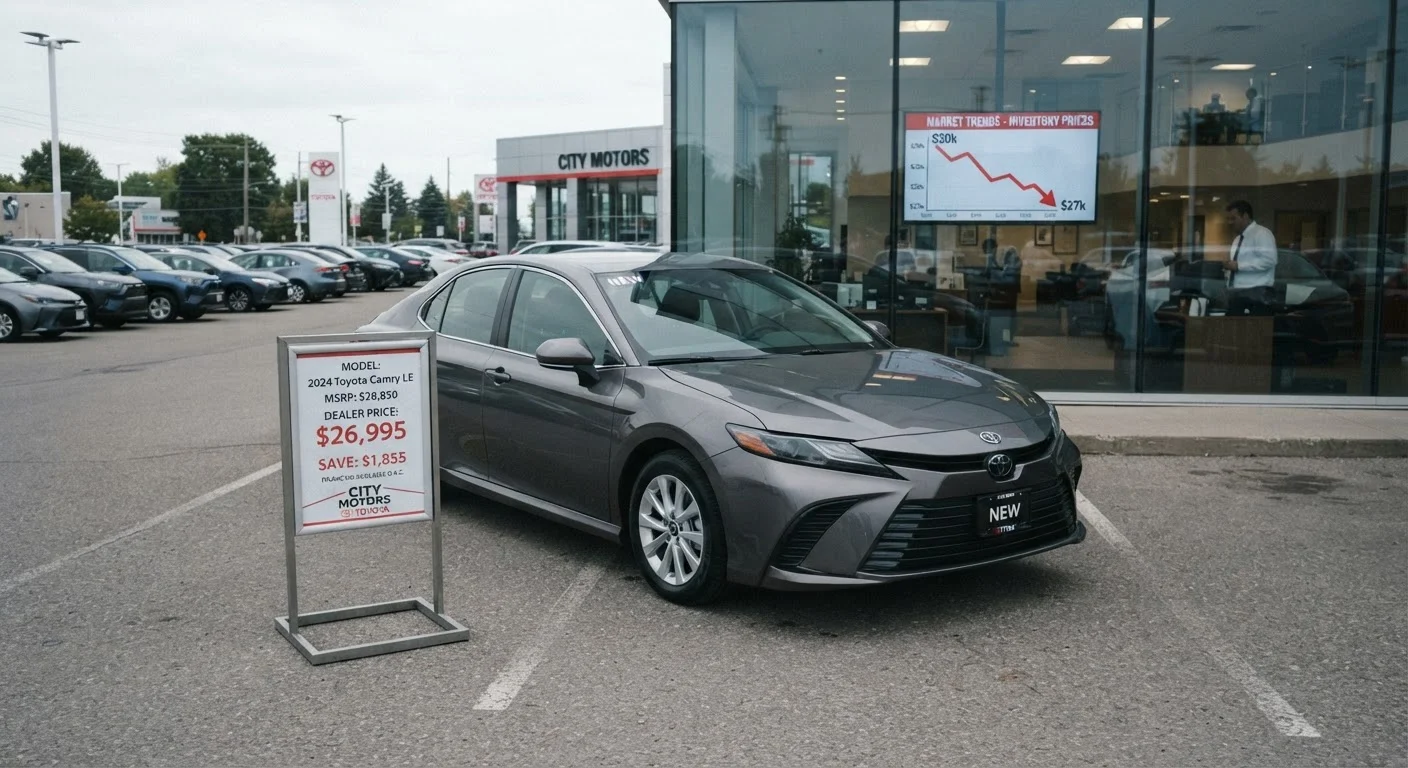
When you drive a new car off the lot, you lose money - immediately and automatically. That's depreciation at work. It's not a fee, not a tax, and not tied to anything breaking. It's simply the market's recognition that your car is now a used car, and used cars sell for less than new ones.
For most American car owners, depreciation represents a larger financial hit than fuel costs, insurance premiums, or routine maintenance. Yet it rarely appears on a budget spreadsheet because it doesn't arrive as a bill. It shows up only when you go to sell or trade in the vehicle and discover it's worth far less than you paid.
Understanding how depreciation works is foundational to making sound vehicle decisions - whether you're buying new, buying used, or planning when to sell. It's part of the broader picture covered in the true cost of owning a car.
15-25%
Value lost by new cars in year one
Industry estimates consistently show the first year carries the steepest depreciation drop for most new vehicles.
40-60%
Value lost over five years of ownership
Across most vehicle segments, roughly half of a new car's purchase price is lost to depreciation within five years.
#1
Largest cost of ownership for many drivers
For drivers who own a vehicle for three to five years, depreciation typically exceeds annual fuel and insurance costs combined.
The Depreciation Curve: How Value Drops Over Time
Depreciation doesn't happen at a steady pace. The loss is front-loaded, meaning the earliest years of ownership carry the heaviest hit. A new vehicle typically loses 15-25% of its value in year one alone. By the end of year five, many vehicles have lost 40-60% of their original purchase price.
After that initial steep drop, the curve flattens. A seven-year-old vehicle depreciates much more slowly than a two-year-old one. This is why buying a lightly used car - one that's two to four years old - is often cited as a way to let someone else absorb the worst of the loss while still getting a relatively modern, low-mileage vehicle.
“The cost of a car is not what you pay for it - it's the difference between what you pay and what you eventually sell it for. Depreciation is that gap, and for most people it's the number they never calculated.”
— Cars & Autos Editorial Team, Editorial analysis on vehicle ownership costs
It's worth noting that depreciation rates vary considerably by vehicle type and market conditions. During periods of tight inventory, used car prices can rise - temporarily slowing or even reversing expected depreciation. These are market anomalies, not the long-term norm.
What Drives Depreciation Faster - or Slower
Several factors determine how quickly a specific vehicle loses value:
- Mileage: Higher mileage signals more wear and reduces resale demand. Most valuation models weight mileage heavily.
- Condition: Dents, worn interiors, and deferred maintenance all pull the price down at resale time.
- Market demand: Vehicles with strong buyer demand - whether due to fuel efficiency, capability, or reputation - tend to retain value better. Trucks and certain SUVs have historically held value better than many sedans.
- Reliability record: Vehicles associated with lower long-term repair costs tend to command stronger resale prices.
- Technology obsolescence: As safety features and infotainment systems advance rapidly, older vehicles with outdated tech can depreciate faster.
Check Resale Value Before You Buy
Before committing to any vehicle, look up its projected resale value at three and five years using an established automotive valuation resource. The difference between purchase price and projected resale value is your estimated depreciation cost - and comparing that figure across similar vehicles can reveal meaningful financial differences that sticker prices alone won't show.
For a broader view of what ownership actually costs beyond the sticker price, see what it actually costs to own a car in the US.
How to Factor Depreciation Into Your Car Decision
Treating depreciation as a real, ongoing cost changes how you evaluate a vehicle purchase. Rather than comparing sticker prices alone, consider the estimated resale value after three to five years - the gap between those two numbers is your depreciation cost for that ownership period.
If you're weighing a new purchase against a used one, owning an older high-mileage vehicle comes with its own trade-offs: lower depreciation exposure but potentially higher repair costs. Neither option is universally better - it depends on your financial situation and risk tolerance.
There are also other ownership costs that tend to go unnoticed. Hidden fees of car ownership like doc fees, emissions tests, and personal property taxes compound the financial picture depreciation already complicates.
The most useful mindset: treat depreciation as a cost you're paying whether you account for it or not. Naming it and estimating it puts you in a better position to choose the vehicle that fits your actual financial reality - not just the one that looks appealing at the lot.
This article is for general informational purposes only and does not constitute financial or purchasing advice. Individual vehicle values vary based on market conditions, location, and vehicle-specific factors. Consult a qualified financial professional for guidance tailored to your situation.
Frequently Asked Questions
Most new vehicles lose between 15% and 25% of their value within the first 12 months. The exact amount depends on the make, model, and current market conditions. Some vehicles hold value better than others due to demand, reliability reputation, and limited supply.
Yes, used vehicles continue to depreciate - just more slowly. The steepest drop happens in the first few years of a car's life. By the time a vehicle is three to five years old, the rate of depreciation has typically slowed considerably.
Strong resale demand, low mileage, excellent condition, fuel efficiency, and a positive reliability record all help a vehicle retain value. Segment and body style also matter - trucks and SUVs have historically depreciated more slowly than many sedans.
Yes, significantly. Higher mileage signals more wear on a vehicle and reduces what buyers are willing to pay. Most valuation tools factor mileage directly into estimated resale value.
Leasing doesn't eliminate depreciation - you're essentially paying for the depreciation that occurs during your lease term, plus financing charges. The difference is that you return the vehicle at the end and don't carry the residual risk of ownership.
Buying a vehicle that's two to four years old lets you avoid the sharpest drop in value. Keeping mileage reasonable, maintaining the vehicle well, and choosing models with historically strong resale values also help limit your total depreciation exposure.
The content on this site is for informational purposes only and is not a substitute for professional advice. Always consult a qualified professional for guidance specific to your situation.