

Start here
What Sleep Hygiene Actually Means
Next
Why Sleep Quality Matters for Everyday Wellness
Then
Core Habits Supported by Research
Apply it
Building Your Own Sleep Routine
If needed
When to Seek Professional Support
What Sleep Hygiene Actually Means
The phrase sleep hygiene is borrowed from medicine but has entered everyday conversation — sometimes stripped of its full meaning. It doesn't simply refer to having a bedtime routine or going to bed at a consistent hour. Sleep hygiene is a broad term that encompasses the full range of behaviors, habits, and environmental factors that influence the quality and consistency of your sleep.
Sleep hygiene
The set of behaviors, habits, and environmental conditions that collectively influence how well a person sleeps. It's a broader concept than simply having a bedtime routine.
Circadian rhythm
The body's internal 24-hour biological clock that regulates cycles of sleepiness and alertness, as well as many other physiological processes.
Melatonin
A hormone produced by the brain's pineal gland that helps signal to the body that it's time to sleep. Its production is strongly influenced by light exposure.
Sleep architecture
The structure and pattern of sleep stages — including light sleep, deep sleep, and REM sleep — that cycle through the night and are essential for restorative rest.
CBT-I
Cognitive Behavioral Therapy for Insomnia — a structured, evidence-based therapy that addresses the thoughts and behaviors contributing to chronic sleep difficulties. It's considered a first-line treatment for insomnia.
The concept was popularized in clinical sleep research as a non-pharmacological approach to improving sleep. Today, it's recognized as a foundational component of sleep health — one that can meaningfully affect how rested you feel, how quickly you fall asleep, and how often you wake during the night.
Why Sleep Quality Matters for Everyday Wellness
Sleep is not simply a passive state of rest. During sleep, the body performs critical functions: consolidating memory, regulating hormones, repairing tissue, and clearing metabolic waste from the brain. Disrupted or insufficient sleep interferes with all of these processes.
Research consistently links poor sleep quality to impaired concentration, mood instability, and reduced immune function. Over the long term, chronic sleep deprivation has been associated with increased risk for cardiovascular disease, metabolic conditions, and mental health challenges. Sleep is also closely connected to emotional regulation — something many people underestimate. Building a daily mental wellness routine that incorporates good sleep habits can meaningfully support emotional resilience.
Morning Light Has Real Benefits
Getting natural light exposure within an hour of waking — even on an overcast day — can help reinforce your circadian rhythm and improve alertness during the day. A short walk outside each morning is one of the simpler, research-supported habits you can build. It also supports mood regulation, which has its own downstream benefits for sleep.
Core Habits Supported by Research
Not all sleep advice is created equal. The following practices have meaningful support from sleep science:
- Consistent sleep and wake times: Your body operates on a circadian rhythm — an internal clock roughly synchronized to the 24-hour day. Going to bed and waking at the same time each day, including weekends, helps anchor this rhythm and makes falling asleep easier over time.
- Light management: Bright light — especially blue-wavelength light from screens — suppresses melatonin, the hormone that signals sleep readiness. Dimming lights and reducing screen use in the hour before bed can support a natural wind-down. Morning light exposure, conversely, helps set your circadian rhythm for the day.
- Bedroom environment: A cooler, darker, and quieter room is generally conducive to better sleep. Research suggests the ideal sleep environment temperature for most adults is on the cooler side, typically in the range of 65–68°F (18–20°C), though comfort is individual.
- Caffeine and alcohol timing: Caffeine has a half-life of approximately 5–6 hours in most people, meaning afternoon consumption can still affect nighttime sleep. Alcohol, while it may initially promote drowsiness, tends to fragment sleep later in the night.
- Pre-sleep wind-down: A consistent, calming pre-sleep routine — whether reading, light stretching, or a short mindfulness practice — can signal to the nervous system that sleep is approaching. Just as structured daily habits support areas like consistent, sustainable eating patterns, predictable pre-sleep behaviors help the body anticipate rest.
Individual Variation Is Real
Sleep needs and chronotypes — your natural tendency toward being a morning or evening person — vary significantly from one person to another and can shift across the lifespan. General guidance should be adapted to your own patterns and circumstances. What works well for one person may not suit another, and that's entirely normal.
Building Your Own Sleep Routine
Effective sleep hygiene isn't a rigid checklist — it's a personalized framework. Start by identifying the one or two factors most likely disrupting your sleep. Common culprits include irregular sleep timing, late-evening screen use, and high stress levels at bedtime.
Make changes gradually. Shifting your bedtime by 15–30 minutes at a time is more sustainable than an abrupt change. Treat sleep hygiene the way you might approach any other health-supporting habit: consistently, without expecting overnight transformation.
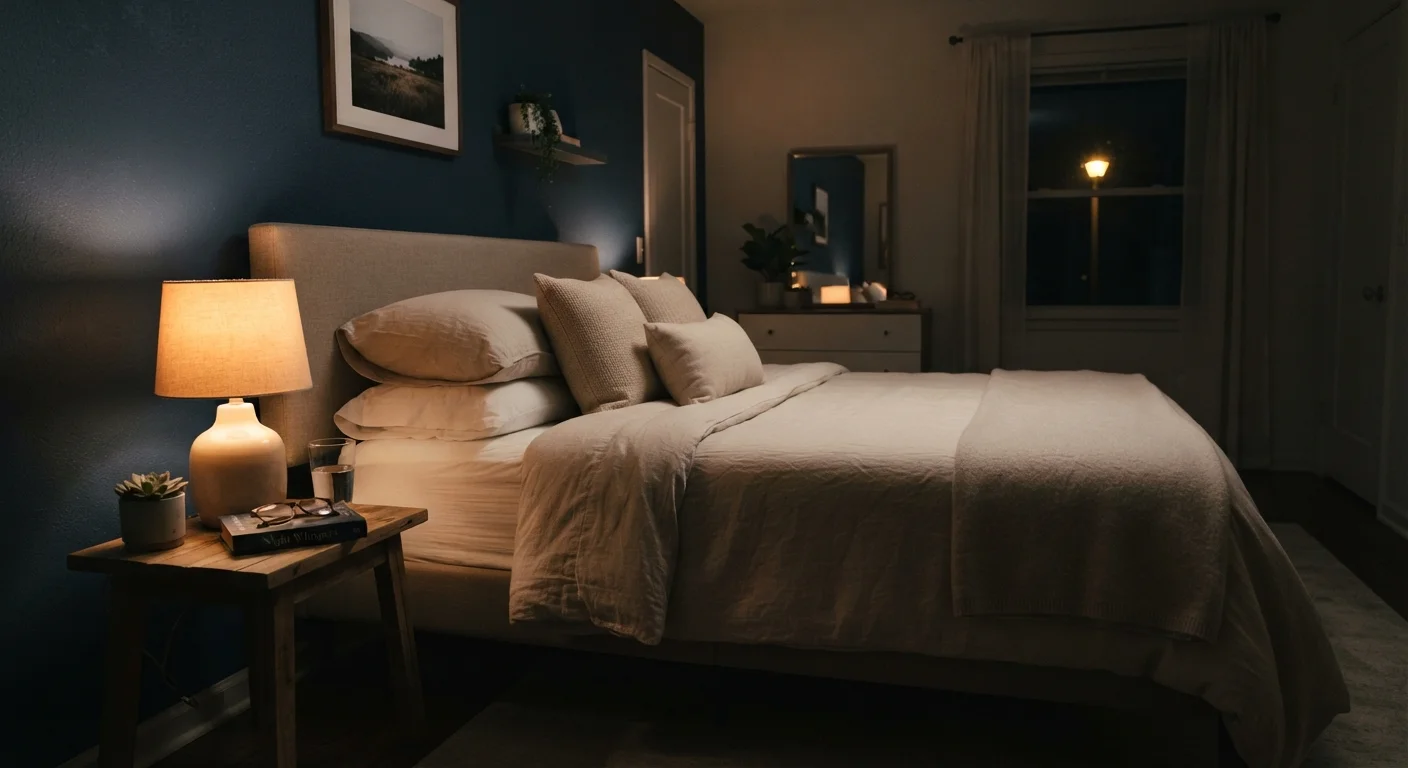
Your bedroom environment matters more than many people realize. Consider it a dedicated space for sleep and rest, separate from work or stimulating activities. Small adjustments — blackout curtains, a white noise machine, or removing devices from the room — can collectively make a meaningful difference.
Avoid Lying in Bed Awake for Long Periods
If you've been in bed for more than 20–30 minutes and can't fall asleep, sleep researchers generally advise getting up and doing something quiet and low-stimulation until you feel sleepy again. Staying in bed while awake for extended periods can reinforce an association between your bed and wakefulness, which can worsen sleep difficulties over time.
When to Seek Professional Support
Sleep hygiene improvements help many people, but they are not a substitute for professional evaluation when sleep problems are persistent or severe. If you regularly take more than 30 minutes to fall asleep, wake frequently without being able to return to sleep, or feel unrested despite adequate time in bed, these patterns deserve attention.
Conditions such as insomnia disorder, obstructive sleep apnea, restless leg syndrome, and circadian rhythm disorders require diagnosis and treatment by a qualified healthcare provider. Cognitive Behavioral Therapy for Insomnia (CBT-I) — a structured, evidence-based approach — is currently considered a first-line treatment for chronic insomnia and goes well beyond basic sleep hygiene practices.
If you're experiencing significant sleep difficulties, speak with a primary care provider or ask for a referral to a sleep specialist. This article provides general educational information and is not a substitute for professional medical advice.
This article is intended for general informational and educational purposes only and does not constitute medical advice. Always consult a qualified healthcare professional for concerns about your sleep or health.
Frequently Asked Questions
Sleep hygiene is the collection of habits, behaviors, and environmental conditions that affect how well you sleep. It covers everything from your bedtime schedule and bedroom setup to how you manage stress and screen time before bed. Good sleep hygiene creates consistent conditions that make it easier for your body to fall and stay asleep.
Most health authorities, including the Centers for Disease Control and Prevention (CDC), recommend that adults aim for 7 or more hours of sleep per night. Individual needs can vary, but consistently sleeping fewer than 7 hours is associated with a range of health concerns. Speak with a healthcare provider if you have questions about your personal sleep needs.
Research suggests that blue light emitted by screens can suppress melatonin production, a hormone that helps regulate the sleep-wake cycle. This may make it harder to fall asleep. Limiting screen use in the hour before bed is a commonly recommended strategy, though individual sensitivity varies.
Napping can be restorative, but long or late-day naps may interfere with nighttime sleep by reducing the body's drive to sleep. If you nap, keeping it to around 20–30 minutes earlier in the afternoon is generally considered a more sleep-friendly approach.
If you consistently struggle to fall or stay asleep, experience excessive daytime sleepiness, or notice loud snoring or breathing pauses during sleep, it's worth speaking with a healthcare professional. These symptoms can indicate underlying conditions — such as insomnia or sleep apnea — that benefit from proper evaluation and treatment.
Alcohol may help you fall asleep faster, but it tends to disrupt sleep architecture — particularly REM sleep — in the later half of the night. This often results in lighter, more fragmented sleep overall. Most sleep researchers advise against using alcohol as a sleep aid.
The content on this site is for informational purposes only and is not a substitute for professional advice. Always consult a qualified professional for guidance specific to your situation.