

What Liability Coverage Is Designed to Do
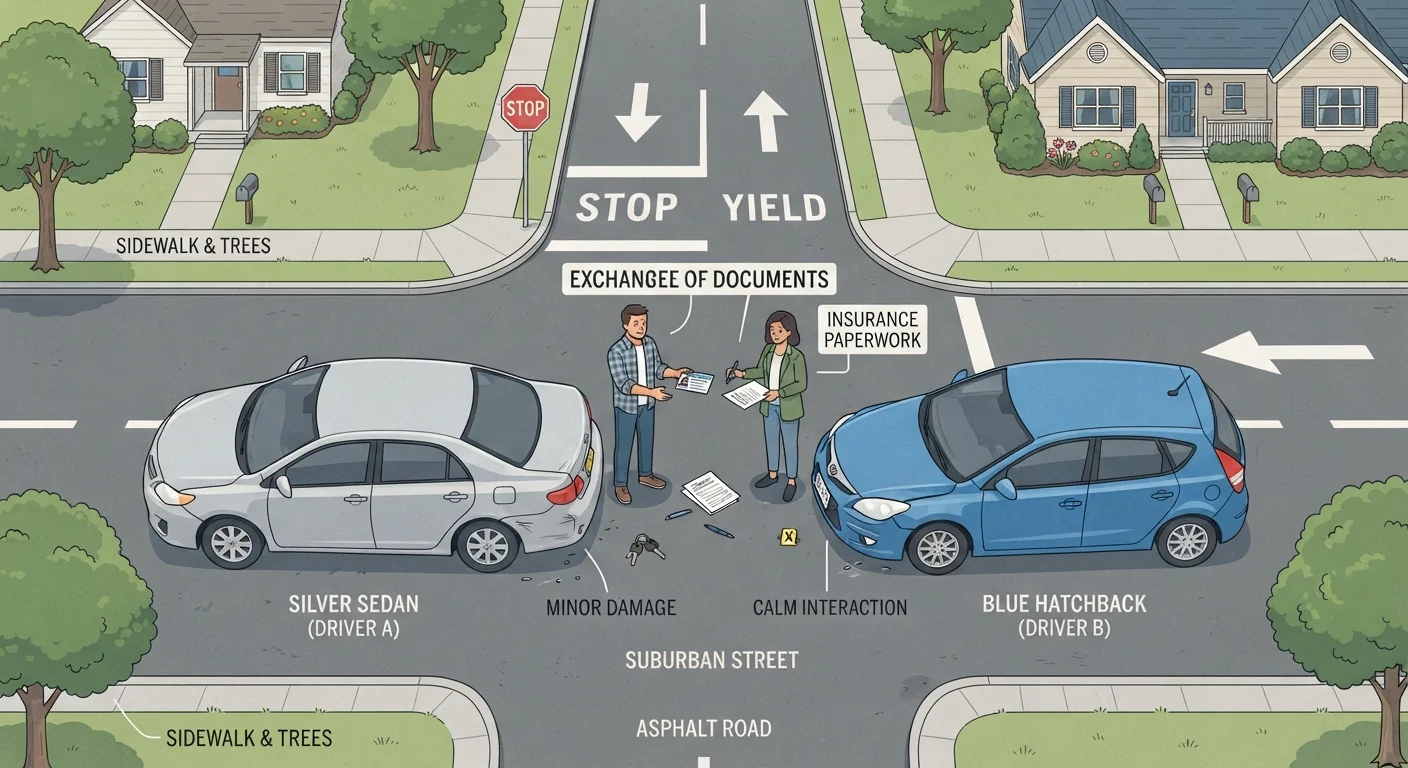
Liability coverage exists to protect other people from financial harm that you cause. Whether it's attached to your auto policy, your homeowners policy, or a renters policy, the core function is the same: if you're found legally responsible for someone else's injury or property damage, liability coverage steps in to pay — up to your policy's limit.
This is different from coverages that protect you directly. For a full picture of how liability fits into the broader insurance landscape, see the major insurance coverage categories explained.
~$50,000
Typical average bodily injury claim cost
According to the Insurance Information Institute, the average auto liability bodily injury claim has grown substantially over recent years, often exceeding state minimum coverage limits.
49 of 50
U.S. states requiring auto liability coverage
Nearly every state mandates minimum auto liability insurance; New Hampshire is the primary exception, though it requires financial responsibility proof.
What Liability Coverage Typically Pays For
The specific expenses liability coverage addresses depend on the policy type, but in general it can cover:
- Bodily injury to others: Medical bills, rehabilitation costs, and lost wages for people you injure. In auto policies, this applies to the other driver and passengers when you're at fault.
- Property damage to others: Repair or replacement costs for vehicles, structures, or belongings you damage.
- Legal defense costs: If a covered incident leads to a lawsuit, most policies pay for your legal defense, separate from the coverage limit — though this varies by policy.
- Pain and suffering settlements: In some cases, liability coverage can apply to non-economic damages awarded in a judgment.
In a homeowners policy, liability extends beyond car accidents. If a guest slips on your icy front steps and sues you, your homeowners liability coverage may help pay for their medical costs and any legal judgment.
What Liability Coverage Does Not Pay For
This is where many consumers run into surprises. Liability coverage has clear boundaries, and understanding them helps you identify where other coverage types need to fill in.
- Your own injuries: If you're in a car accident you caused, auto liability does not pay your medical bills. That requires personal injury protection (PIP) or medical payments (MedPay) coverage.
- Your own property: Damage to your car, home, or belongings from an incident you caused is not covered by liability. You'd need collision or property coverage for that.
- Intentional acts: Insurers will not cover harm you caused deliberately. Liability is designed for accidents, not actions taken on purpose.
- Business activities: Standard personal auto and homeowners policies typically exclude liability arising from business use. A separate commercial or business policy is needed.
- Contractual liability: Liability you assume through a contract — such as signing a hold-harmless agreement — may not be covered under a standard policy.
For a broader look at where standard policies leave gaps, gaps that often go unnoticed in standard coverage is worth reading.
Check Your Limits Before You Need Them
Review your liability limits at every policy renewal — not just when you first sign up. As your assets or income grow, your exposure to a judgment increases. Many insurance professionals suggest carrying limits that at least match your net worth, and an umbrella policy can provide additional protection at relatively low cost.
Policy Limits and Why They Matter
Every liability policy has a maximum payout — and that cap matters enormously when a serious accident occurs. Auto policies commonly show limits like 25/50/25, meaning $25,000 per injured person, $50,000 total per accident for bodily injury, and $25,000 for property damage. These minimums are set by state law, but they're often lower than real-world costs.
If a covered claim exceeds your limits, you're personally responsible for the difference. Courts can pursue wages or assets to satisfy a judgment. Consumers who want more protection above their standard limits often purchase an umbrella policy, which adds a separate layer of liability coverage across multiple policies.
“Minimum limits are not the same as adequate limits. Most people never reconsider those numbers after they first buy a policy, and that can be a costly mistake when a serious claim arises.”
— J. Robert Hunter, Former insurance regulator and director of insurance at the Consumer Federation of America
Understanding what you might realistically face — not just what the state minimum requires — is a practical way to think about how much coverage to carry. For questions about costs and the claims process, that topic is covered separately.
You can also review how liability fits specifically into auto coverage in our guide on car insurance coverage types.
This article is for general informational purposes only and is not personalized insurance, legal, or financial advice. Coverage terms, limits, and exclusions vary by provider and state. Always read your policy documents carefully and consult a licensed insurance agent for guidance specific to your situation.
Frequently Asked Questions
No. Liability coverage only pays for damage you cause to other people's vehicles or property. To cover repairs to your own car, you'd need collision coverage. See our guide on <a href="/cars-autos/car-ownership-basics/comprehensive-vs-collision-coverage-clearing-up-the-confusion">comprehensive vs. collision coverage</a> for more detail.
If the damages exceed your policy's limits, you may be personally responsible for the difference. A court judgment could allow the other party to pursue your wages or assets. Carrying adequate limits — or an umbrella policy — helps protect against this scenario.
Homeowners liability generally covers injuries to guests that happen due to your negligence — such as a broken stair step you knew about and didn't fix. It does not cover injuries to people who live in the home, nor intentional acts.
Auto liability coverage is required in nearly every U.S. state, with each state setting its own minimum limits. Homeowners and renters liability insurance is not legally mandated, though lenders or landlords may require it.
Yes, within limits. Most liability policies include a legal defense component, meaning your insurer will typically provide or pay for legal representation if a covered claim goes to court. Any judgment above your policy limit, however, remains your responsibility.
The content on this site is for informational purposes only and is not a substitute for professional advice. Always consult a qualified professional for guidance specific to your situation.