

Why Some Cars Last and Others Don't
High-mileage vehicles don't get there by luck or by brand alone. The difference between a car that's traded in at 80,000 miles and one still running reliably past 200,000 miles almost always comes down to a handful of consistent habits maintained over years of ownership.
Most vehicle failures - whether a seized engine, blown transmission, or overheating disaster - share a common thread: they were preventable. Not by expensive service packages or exotic treatments, but by doing the routine things reliably and on time. Staying ahead of maintenance doesn't require a large budget; it requires consistency.
Owner's Manual Is the Primary Reference
Manufacturer-specified intervals vary significantly between vehicles. A maintenance schedule that applies to one engine may not apply to another, even within the same model year. Always use your owner's manual as the primary reference for service intervals and fluid specifications, rather than relying on general rules of thumb.
The habits below represent the core practices that separate vehicles with long service lives from those that accumulate problems early. None of them require specialized knowledge - just the discipline to follow through.
Change the oil on a consistent schedule
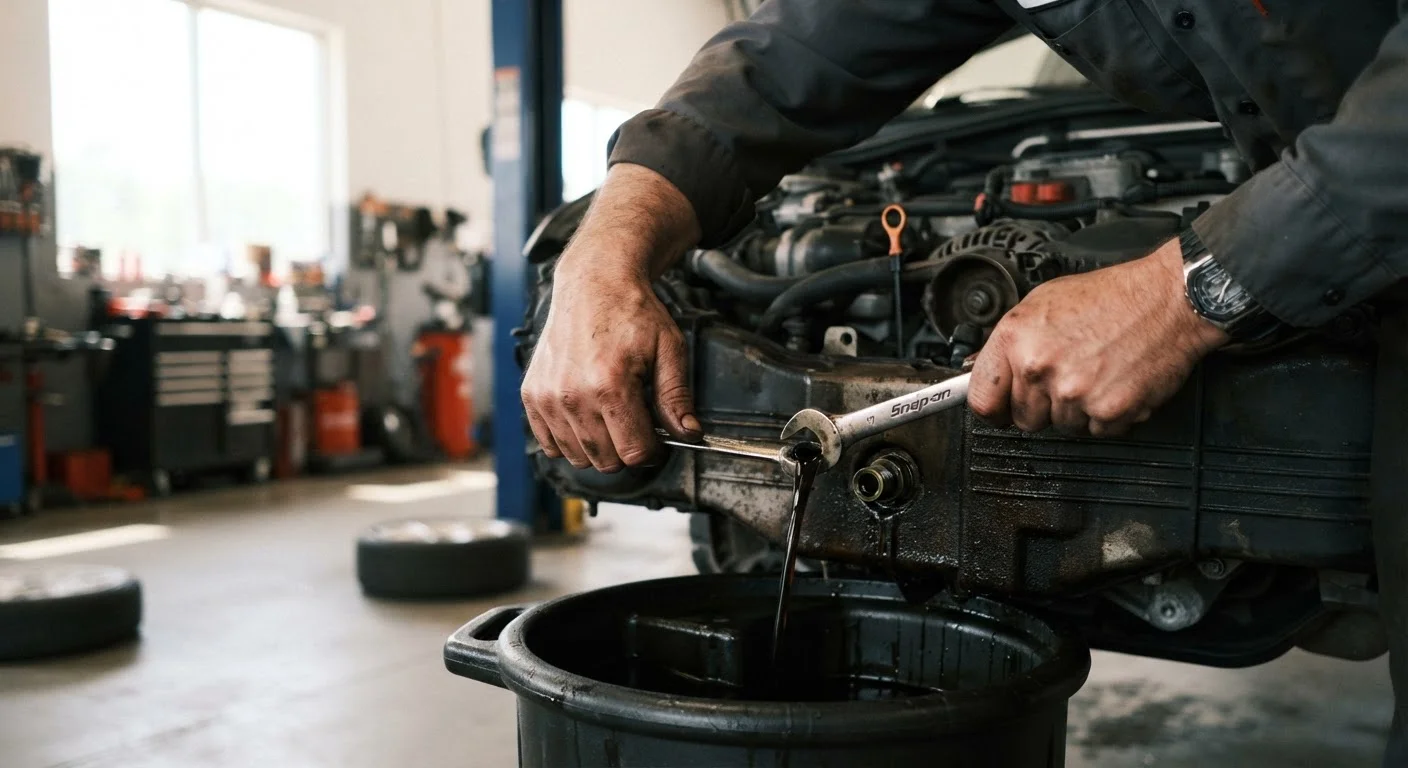
Engine oil lubricates hundreds of moving metal parts and carries heat away from the engine. Over time, it breaks down and accumulates contaminants that cause wear. Vehicles that reach 200,000 miles almost universally have owners who treated oil changes as non-negotiable - not something to defer when life gets busy.
Follow your owner's manual for the recommended interval and oil type. Modern synthetic oils often allow longer intervals than older conventional formulas, but the specific interval depends on your engine, driving conditions, and manufacturer guidance. Frequent short trips, towing, and stop-and-go commuting all accelerate oil degradation.
Delaying oil changes may seem harmless in the short term, but engine sludge buildup and accelerated wear accumulate silently until the repair bill arrives.
Vehicles that reach 200,000 miles treat oil changes as non-negotiable, not optional.
Rotate tires and maintain correct inflation
Tires wear unevenly depending on their position on the vehicle. Front tires typically carry more weight and handle steering stress, causing faster wear on certain edges. Rotating tires on the schedule in your owner's manual - commonly every 5,000 to 7,500 miles - distributes this wear evenly, extending the life of the full set.
Inflation is equally important and easier to neglect. Underinflated tires generate excess heat, wear faster at the edges, and reduce fuel efficiency. Overinflated tires wear faster in the center and reduce traction. Check pressure monthly with a calibrated gauge - not just by looking at the tire - and use the value specified on the driver's door sticker, not the maximum listed on the tire sidewall.
Check tire pressure monthly with a gauge - appearances alone are not reliable.
Service the cooling system before problems start
The cooling system - engine coolant (antifreeze), the radiator, water pump, and thermostat - keeps the engine from overheating. Overheating is one of the fastest ways to cause serious, permanent engine damage, including warped cylinder heads or a blown head gasket.
Coolant degrades over time. Its anti-corrosion additives deplete, and it becomes acidic - corroding the metal components it's supposed to protect. Most manufacturers recommend flushing and replacing coolant on a defined schedule, typically somewhere between 30,000 and 100,000 miles depending on the coolant type. Consult your manual for the specific interval. Inspecting hoses and the radiator cap during routine maintenance costs almost nothing compared to an overheating repair.
Coolant degrades silently; regular flushes protect against one of the most expensive engine failures.
Don't ignore transmission and brake fluid
Transmission fluid lubricates and cools the complex components inside your transmission. Like engine oil, it degrades with heat and use. Neglecting it leads to rough shifting, slipping, and eventually transmission failure - a repair that can cost thousands of dollars. Whether your vehicle has an automatic or manual transmission, check your owner's manual for service intervals and fluid type.
Brake fluid is hygroscopic, meaning it absorbs moisture from the air over time. As moisture content rises, the fluid's boiling point drops - which can cause brake fade under hard use. Most manufacturers recommend replacing brake fluid every two to three years regardless of mileage. This is a low-cost service that directly affects safety.
Brake fluid absorbs moisture over time, lowering its boiling point and compromising stopping power.
Address small issues before they cascade
A worn serpentine belt, a small coolant leak, or a misfiring spark plug are individually manageable problems. Left unaddressed, each one can trigger a chain of secondary failures that multiply the repair cost significantly. A broken serpentine belt, for example, can simultaneously disable the alternator, power steering, water pump, and air conditioning - leaving you stranded with a much larger bill than the belt itself would have cost.
Pay attention to warning lights, unusual sounds, and changes in how the car drives. When something seems off, having a qualified mechanic inspect it promptly is nearly always cheaper than waiting. High-mileage vehicles especially benefit from this proactive approach, since aging components are more likely to fail together.
A small repair addressed promptly almost always costs less than the failure it prevents.
Keep a simple maintenance log
Knowing what's been done - and when - removes guesswork from ownership. A basic log, whether a small notebook in the glove box or a note-keeping app, records service dates, mileage at service, and what was performed. This prevents accidental double-servicing, helps catch overdue items, and gives future owners confidence in the vehicle's history.
A documented service history is also one of the few things that can meaningfully support resale value. For additional guidance on managing the broader costs of vehicle ownership, the Car Ownership Basics hub covers registration, insurance, and ongoing cost management in one place.
A simple maintenance log prevents missed services and can support resale value.
Building Habits That Actually Stick
Knowing what to do matters less than actually doing it. The most common reason maintenance slips is that there's no system in place - no reminder, no record, no routine. Pairing maintenance tasks with existing habits (refueling, seasonal tire swaps, registration renewal) makes them easier to remember.
Monthly Walkaround Takes Under Five Minutes
A quick monthly walkaround - checking tire pressure, looking under the vehicle for fluid spots, and glancing at fluid levels - catches developing problems before they grow. Building this into a regular routine, such as the first of each month, keeps the habit consistent without requiring a dedicated maintenance day.
For owners of older or higher-mileage vehicles, the stakes are higher but the approach is the same. High-mileage ownership involves real tradeoffs, but consistent maintenance is the most reliable way to stay on the favorable side of those tradeoffs. The car that lasts isn't always the newest or most expensive - it's the one that was taken care of.
This article is for informational purposes only. Always consult your vehicle's owner's manual and a qualified mechanic for guidance specific to your vehicle and driving conditions.
The content on this site is for informational purposes only and is not a substitute for professional advice. Always consult a qualified professional for guidance specific to your situation.