

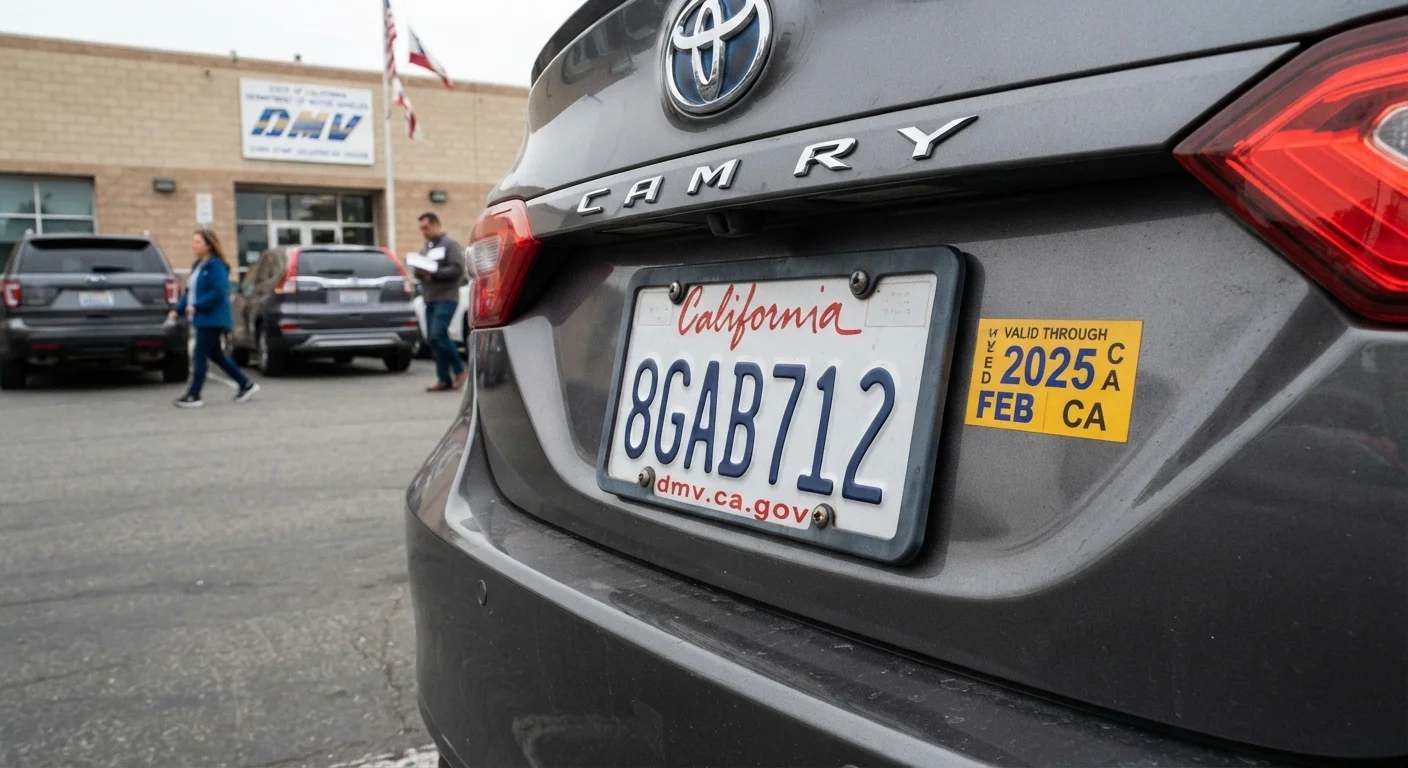
Why Vehicle Registration Exists - and Why It Matters
Vehicle registration is the legal process by which a state government records that a specific vehicle is authorized to operate on public roads. It ties the car to an owner, generates revenue for road infrastructure, and gives law enforcement a tool to verify ownership and insurance compliance. Without it, your vehicle simply isn't legally recognized in traffic.
Every U.S. state requires registration, but the requirements, fees, and renewal timelines differ considerably. Whether you've just purchased a new car or moved across state lines, understanding what your state expects - and what happens if you fall short - is a basic part of responsible ownership. See the complete picture of car ownership for a broader look at what owning a vehicle in America involves.
| Registration renewal period | Typically annual; some states offer 2-year renewals (Varies by state DMV) |
| Typical grace period for new residents | 30-90 days after establishing residency (Varies by state) |
| States requiring emissions testing | Approximately 31 states plus Washington D.C. have some form of program (EPA vehicle inspection overview) |
| Fee range (annual registration) | Roughly $20-$400+ depending on state and vehicle (State DMV data, varies widely) |
| Primary issuing agency | State DMV or equivalent (e.g., BMV, MVD, RMV) |
What You Generally Need to Register a Vehicle
While each state's DMV (Department of Motor Vehicles) or equivalent agency has its own checklist, most registration processes require a similar core set of documents:
- Proof of ownership - typically the vehicle title. If you've just bought or received a car, see how a title transfer works before heading to the DMV.
- Proof of valid auto insurance - minimum coverage requirements vary by state.
- A completed application form - usually provided by your state's DMV, often available online.
- Odometer disclosure - required for most vehicles under ten years old.
- Payment for fees - amounts vary significantly (see below).
- Emissions or safety inspection certificate - required in many but not all states.
If you're registering a used vehicle, the title history matters. A vehicle with a salvage or rebuilt title may face additional inspections or restrictions. Reading a vehicle history report before purchase can alert you to title complications early.
Vehicle Title
A legal document issued by a state that establishes who owns a vehicle. It must be transferred whenever the vehicle changes hands.
Registration
The official state record that a vehicle is permitted to operate on public roads, renewed periodically and evidenced by a registration card and plate sticker.
Salvage Title
A designation given to a vehicle that an insurance company has declared a total loss. Vehicles with salvage titles often face additional inspection requirements before they can be legally driven.
Odometer Disclosure
A federally required statement of the vehicle's mileage at the time of sale, intended to prevent odometer fraud.
Emissions Inspection
A test required by some states to verify a vehicle's exhaust output meets air quality standards. Failing the test typically prevents registration renewal.
How Fees Are Calculated and What Drives the Variation
Registration fees across states can range from under $30 to several hundred dollars annually. Several factors influence the amount:
- Vehicle value or purchase price - many states base fees on a percentage of the car's assessed or declared value.
- Vehicle age and weight - older vehicles often incur lower fees; heavier vehicles (especially trucks) may pay more.
- County or municipality surcharges - local add-ons can meaningfully increase your total.
- Emissions program participation - states with active emissions testing programs (such as California, New York, and Texas metro areas) may bundle testing costs into registration fees.
~31
States with active vehicle emissions programs
According to EPA vehicle emissions inspection program data, roughly 31 states plus D.C. operate some form of emissions testing requirement.
30-90 days
Typical window to register after moving to a new state
Most states set this deadline in their motor vehicle code; the exact window differs by jurisdiction.
$400+
Maximum annual registration cost in high-fee states
States that base fees on vehicle value - such as Montana and California - can produce registration bills exceeding $400 for newer vehicles.
Because fee structures are set at the state level and updated by legislatures, the most accurate figures will always come from your state's official DMV website. Avoid relying on third-party estimates, which may be outdated.
New Residents and Newly Purchased Vehicles
If you've moved to a new state, most states require you to re-register your vehicle within 30 to 90 days of establishing residency - the exact window varies. You'll typically need to surrender your previous state's plates and obtain new ones.
For a newly purchased vehicle from a dealership, the dealer usually handles temporary registration and initiates the title transfer on your behalf. Private-party purchases are a different matter: the buyer is responsible for transferring the title and registering the vehicle, often within a specified grace period (commonly 10 to 30 days). Your first year of car ownership checklist covers these early steps in practical detail.
Don't Forget: Registration and Insurance Work Together
Most states require proof of insurance before they'll issue or renew registration. If your policy lapses and your insurer reports it to the state - as many are required to do - your registration can be suspended even if the sticker on your plate hasn't expired. Keep both current and verify that your insurer has your correct vehicle information on file.
Consequences of Driving Without Valid Registration
Operating a vehicle with expired or no registration carries real legal and financial risk. Common consequences include:
- Traffic citations - fines vary by state and sometimes by how long the registration has been expired.
- Vehicle impoundment - in some jurisdictions, officers can have an unregistered vehicle towed on the spot.
- Insurance complications - an unregistered vehicle may create disputes in a claims situation, depending on your policy language.
- Compounding late fees - many states charge penalty fees that increase the longer registration remains lapsed.
If you're navigating the full car-buying process, registration timing should be on your checklist from day one - not an afterthought after the keys change hands.
This article is for general informational purposes only. Registration requirements, fees, and deadlines are set by individual states and may change. Always verify current requirements directly with your state's DMV or equivalent agency before taking action.
The content on this site is for informational purposes only and is not a substitute for professional advice. Always consult a qualified professional for guidance specific to your situation.