

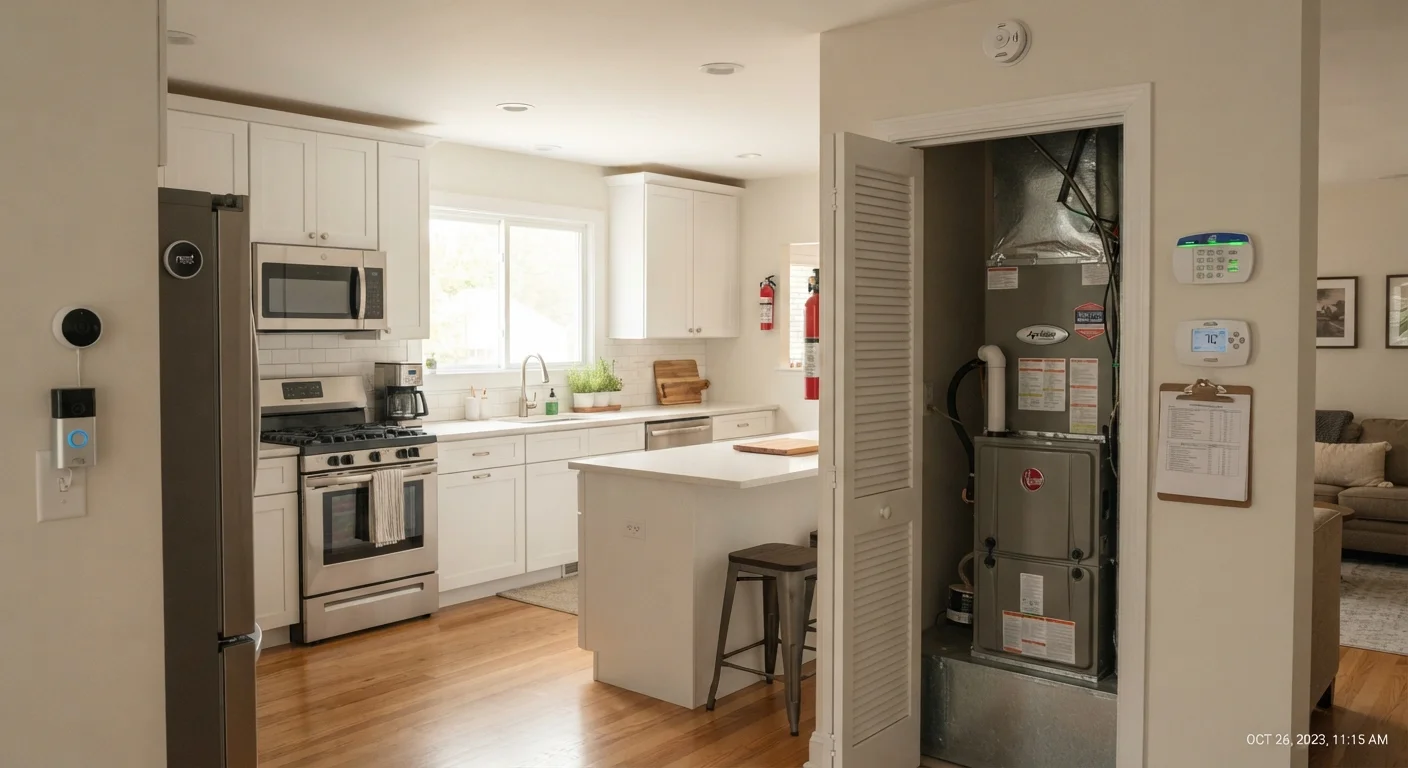
Home Warranties vs. Homeowners Insurance: A Fundamental Difference
Many homeowners assume their homeowners insurance policy covers a broken furnace or a failed water heater. It typically does not. Homeowners insurance is designed to cover sudden, accidental losses — fire, wind damage, theft, or water damage from a burst pipe. A home warranty, by contrast, covers the gradual mechanical failure that comes with everyday use.
Think of it this way: if a storm rips off part of your roof, that is an insurance claim. If your 12-year-old central air conditioning unit stops working on a hot July day, that is a home warranty situation. The two products exist side by side precisely because neither covers what the other does.
For a deeper look at what homeowners insurance actually protects, see our guide to dwelling and personal property coverage. And if you are unsure what your existing policy truly covers, the article on common homeowners insurance myths is worth reviewing before assuming you are protected.
Home Warranties Are Service Contracts, Not Insurance
Because home warranties are classified as service contracts under state law rather than insurance products, they fall outside the oversight of state insurance commissioners in most states. This means consumer protections may be weaker, and dispute resolution processes differ from those available for insurance claims. Always check the contract terms carefully and research your state's specific consumer protections before signing.
What Home Warranties Typically Cover
Home warranty plans generally fall into two categories: systems coverage and appliance coverage, with many providers offering combined plans.
- Major systems: HVAC (heating, ventilation, and air conditioning), plumbing, electrical systems, and water heaters are common inclusions.
- Kitchen and laundry appliances: Refrigerators, dishwashers, built-in microwaves, ranges, washers, and dryers frequently appear on standard plans.
- Optional add-ons: Pool equipment, well pumps, septic systems, and roof leak repair may be available for an additional premium.
Coverage limits matter. Most plans cap the amount they will pay toward any single repair or replacement — for example, a plan might cover HVAC repairs up to a set dollar amount per term. If the actual repair cost exceeds that cap, the homeowner pays the difference.
$300–$600
Typical annual home warranty premium range
Industry estimates suggest most basic-to-midrange plans fall within this range, excluding optional add-ons and service fees.
$75–$125
Common per-visit service call fee
Homeowners pay this fee each time a technician is dispatched, regardless of whether the repair is ultimately covered.
1 in 3
Homeowners who report a major repair need annually
According to home industry research, a significant share of homeowners face at least one significant system or appliance repair each year.
Common Exclusions You Should Know
The exclusions section of a home warranty contract is where many homeowners encounter surprises. Understanding these in advance prevents frustration when a claim is filed.
- Pre-existing conditions: Problems that existed before the contract start date are almost universally excluded. Some providers conduct a home inspection before coverage begins; others rely on self-disclosure.
- Improper installation or maintenance: If an appliance was incorrectly installed or was not maintained according to manufacturer guidelines, the claim may be denied.
- Cosmetic damage: Dents, scratches, or aesthetic failures that do not affect function are not covered.
- Code upgrades: If a repair requires the system to be brought up to current building code, the additional cost of the upgrade is often the homeowner's responsibility.
- Consequential damage: Damage caused by the failure of a covered system — such as water damage from a leaking appliance — is generally not covered under the warranty itself.
Read the Exclusions Before You Need Them
Before signing any home warranty contract, locate and read the full exclusions section — not just the marketing summary. Pay attention to coverage caps per repair, per system, and per contract term. Knowing these limits in advance helps you make realistic comparisons between plans and avoid surprises when you file a claim.
When a Home Warranty Is Worth Considering
A home warranty is not the right financial decision for every household. Its value depends heavily on the age of your home's systems, your financial situation, and your tolerance for unexpected repair costs.
Homeowners who tend to benefit most are those with aging but functional appliances and systems — typically in the 5-to-15-year range — where major failures become increasingly likely but replacement is not yet imminent. First-time buyers inheriting an older home's systems also frequently find these contracts worth evaluating.
On the other hand, if your home is newly built with equipment still under manufacturer warranties, or if your systems have been recently replaced, the immediate value may be limited. Compare the annual premium plus typical service fees against the realistic probability and cost of a repair in your specific home before deciding.
For context on how warranties fit into the broader landscape of coverage products, our overview of major insurance coverage categories can help orient your thinking. You may also find it useful to review widespread insurance myths to clarify what various coverage types actually do and do not protect.
This article is for general informational purposes only and does not constitute financial, legal, or insurance advice. Coverage terms, exclusions, and consumer protections vary by provider and by state. Always read the full service contract and consult a licensed professional before making decisions about your coverage needs.
Frequently Asked Questions
No. Homeowners insurance covers damage from covered perils like fire, theft, or storms. A home warranty covers mechanical failure of systems and appliances from normal use. You generally need both for comprehensive protection, and each serves a different function.
Most standard plans cover major systems such as HVAC, plumbing, and electrical, along with appliances like refrigerators, dishwashers, and ovens. Coverage specifics differ by plan tier — always read the contract before purchasing.
Yes, claims are frequently denied for pre-existing conditions, improper installation, lack of maintenance, or coverage exclusions listed in the contract. Understanding the exclusion clauses before signing is essential.
Home warranties are often worth considering when appliances and systems are aging but not yet old enough to replace outright, or when a homeowner wants predictable repair costs. They are generally less valuable for newer homes with equipment still under manufacturer warranties.
In most plans, the warranty provider dispatches their own network of technicians — you typically cannot choose your own contractor. This is an important distinction if you have a preferred service provider.
Home warranties are regulated as service contracts under state consumer protection law, not as insurance products. Regulation strength varies considerably by state, so reading the contract terms carefully is especially important.
The content on this site is for informational purposes only and is not a substitute for professional advice. Always consult a qualified professional for guidance specific to your situation.