

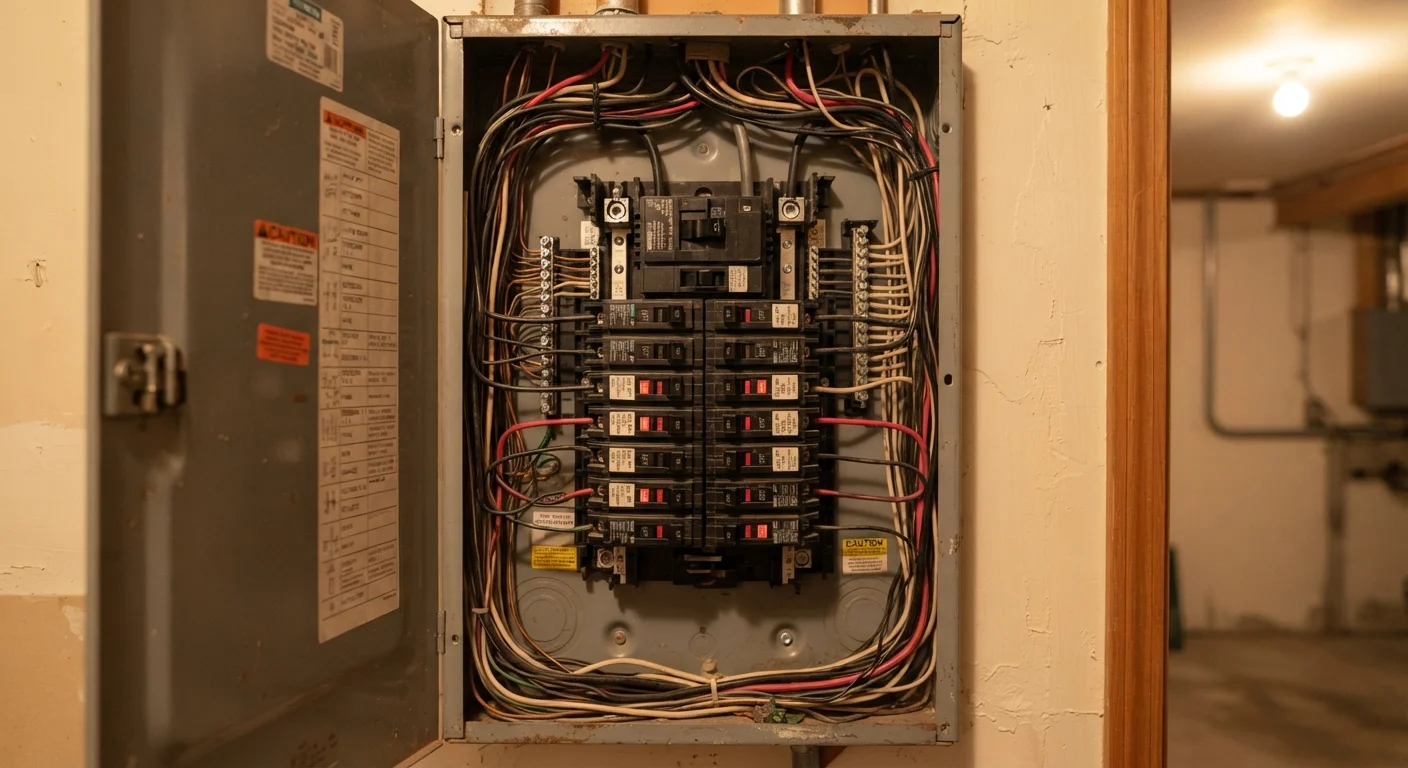
Why Electrical Myths Are Uniquely Dangerous
Most household safety myths are harmless once corrected. Electrical myths are different — acting on them can cause fires that start inside walls, shocks that trigger cardiac events, or slow-building hazards that go undetected for years. The danger is compounded by the fact that these misconceptions often feel logical on the surface. Understanding where they break down is the first step toward a genuinely safer home.
Electrical Fires Are Largely Preventable
According to the U.S. Fire Administration, electrical fires cause thousands of deaths and injuries and hundreds of millions in property damage each year. Many of these fires trace back to wiring misuse, outdated systems, and — critically — homeowner misconceptions about what is safe. When in doubt about any electrical system in your home, consult a licensed electrician rather than relying on common assumptions.
The myth-and-fact pairs below address the most consequential beliefs we hear from homeowners — covering outlets, extension cords, breakers, and hands-on assumptions that put people at risk every day.
Common Electrical Misconceptions, Corrected
Myth
A three-prong adapter ("cheater plug") makes an older two-prong outlet safe to use with modern appliances.
Fact
A three-prong adapter only changes the plug shape — it does not connect the third prong to an actual ground, providing zero grounding protection.
The third prong on modern plugs exists to carry fault current safely to ground, protecting both the appliance and you. A cheater plug bypasses this entirely. Unless the adapter's grounding tab is connected to a verified grounded screw on a metal outlet box — something that requires inspection to confirm — the adapter provides the appearance of grounding, not the reality. Older homes with two-prong outlets should have those circuits evaluated by a licensed electrician to determine whether rewiring or a GFCI outlet upgrade is appropriate.
Myth
If my circuit breaker hasn't tripped, the electrical system must be working fine.
Fact
Breakers protect against overloads and short circuits, not against all hazardous wiring conditions such as loose connections, deteriorated insulation, or aluminum wiring issues.
A breaker that never trips simply means you haven't drawn excessive current on that circuit — it reveals nothing about the condition of the wiring behind your walls. Loose connections arc silently and generate heat long before they trip a breaker. Homes built before the 1970s may have wiring insulation that has become brittle with age. A periodic inspection by a licensed electrician, especially in homes older than 40 years, is the only reliable way to assess actual wiring safety. Consider pairing this with a room-by-room home safety audit to catch other hidden hazards.
Myth
Extension cords are a perfectly acceptable long-term solution for powering devices in rooms without enough outlets.
Fact
Extension cords are designed for temporary use only; using them as permanent wiring creates serious fire and shock hazards.
Extension cords are not rated for continuous, long-term current loads, especially when used under rugs, through doorways, or with high-draw appliances like space heaters. Their insulation degrades with heat and repeated bending. The National Electrical Code, followed by jurisdictions across the U.S., prohibits using extension cords as substitutes for permanent wiring. The proper solution is to have an electrician add outlets where you need them. If you're also thinking about energy use in your home, our article on common energy-saving myths addresses other widespread misconceptions worth knowing.
Myth
Rubber-soled shoes or rubber gloves provide complete protection against electrocution.
Fact
Consumer rubber footwear and standard rubber gloves are not rated as electrical insulation and should not be relied upon for shock protection.
Electrically rated personal protective equipment (PPE) — such as Class 00 or Class 0 insulating gloves — undergoes rigorous testing to specific voltage thresholds. Standard rubber-soled sneakers and household rubber gloves offer unpredictable and unverified resistance at best. Moisture, worn material, or conductive contaminants can compromise even their limited protection. Any work involving live circuits should be performed by a licensed professional using properly rated PPE. Homeowners should assume that no improvised insulation is safe for contact with live electrical systems.
Myth
You can tell if a wire is live by touching it quickly or lightly.
Fact
There is no safe way to test a live wire by touch; even a brief contact can cause cardiac arrest or severe burns.
Electrical current doesn't require prolonged contact to cause serious injury — ventricular fibrillation can result from currents as low as 100 milliamps for less than a second. The only reliable way to check whether a wire or outlet is live is to use a properly rated non-contact voltage tester or a multimeter, both of which are inexpensive and widely available. Always de-energize circuits at the breaker and confirm with a tester before touching any wiring. This approach is part of the broader safety framework covered in our complete home safety reference.
Electrical insurance claims are another area where homeowners often discover their assumptions were wrong. See our guide on common homeowners insurance coverage myths to understand what damage is and isn't typically covered before an incident occurs.
Practical Steps to Reduce Electrical Risk at Home
Never Upsize a Fuse or Breaker Yourself
Replacing a 15-amp fuse with a 20-amp fuse to stop tripping is one of the most dangerous DIY mistakes homeowners make. The breaker or fuse is rated for the wire, not the appliance — oversizing it allows the wire to overheat and ignite inside walls before any protection kicks in. Always match the fuse or breaker rating to the wire gauge as specified by a qualified electrician.
Beyond correcting myths, there are concrete actions that reduce electrical risk in any home:
- Schedule a professional inspection if your home is 40 or more years old, or if you've purchased a home without a recent electrical review.
- Install AFCI (Arc Fault Circuit Interrupter) breakers in bedrooms and living areas — they detect dangerous arcing that standard breakers miss.
- Install GFCI (Ground Fault Circuit Interrupter) outlets in kitchens, bathrooms, garages, and outdoor areas where water contact is possible.
- Replace damaged cords immediately — frayed or cracked insulation is a direct fire and shock hazard.
- Keep electrical panels clear and accessible; never store items in front of them.
~51,000
Home electrical fires per year in the U.S.
According to the Electrical Safety Foundation International (ESFI), roughly 51,000 electrical fires occur in U.S. homes annually, causing nearly 500 deaths and over $1.3 billion in property damage.
~40%
Home electrical fires linked to wiring or equipment
ESFI data indicates that wiring and related equipment account for a significant share of home electrical fires, many of which involve improper use of cords and aging systems.
Electrical safety overlaps with many other household risk areas. Our room-by-room safety audit guide can help you systematically check each space in your home for electrical and non-electrical hazards alike.
This article is for general informational purposes only and does not constitute professional electrical or safety advice. For any concerns about your home's wiring, outlets, or electrical system, consult a licensed electrician.
The content on this site is for informational purposes only and is not a substitute for professional advice. Always consult a qualified professional for guidance specific to your situation.