

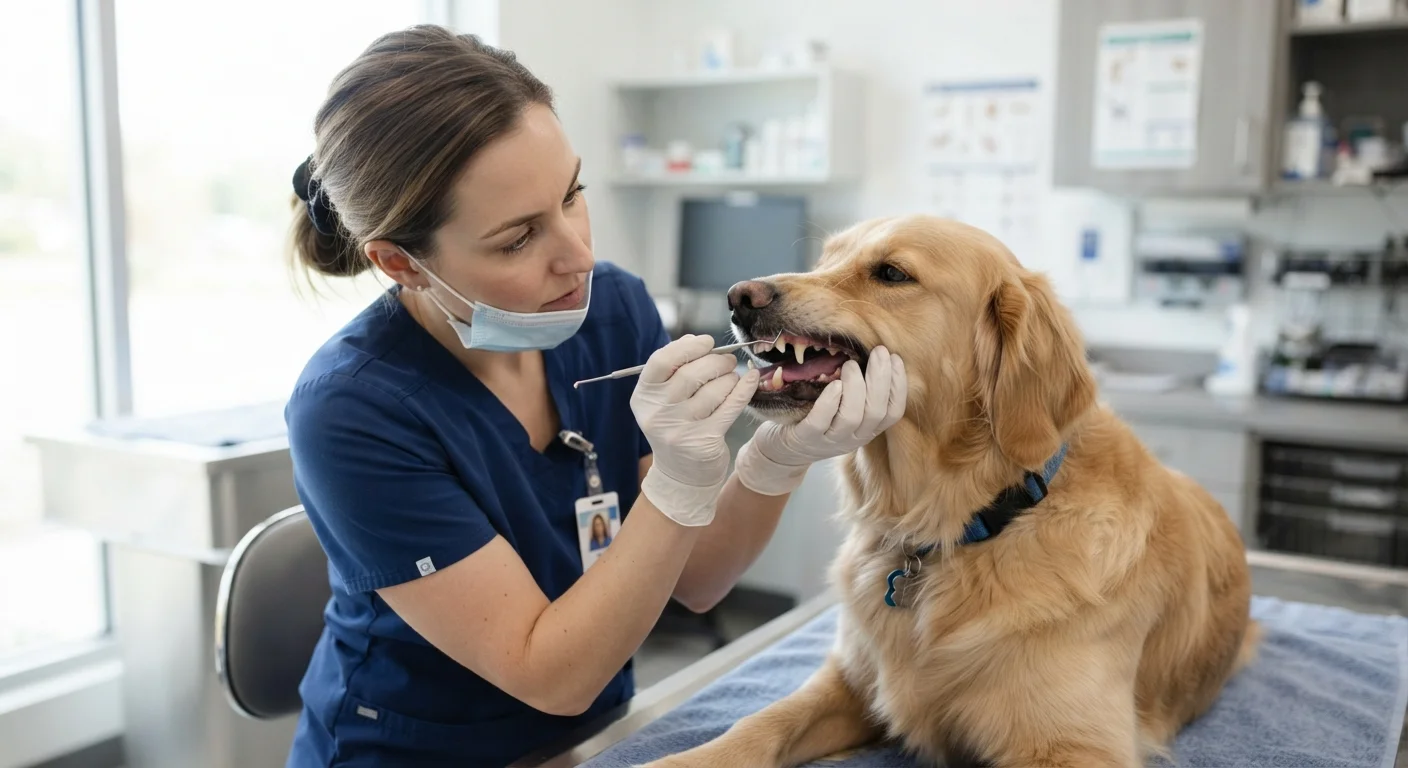
Why Dental Disease Is a Whole-Body Problem
Most pet owners know to worry about their dog or cat gaining weight, skipping vaccines, or eating the wrong foods. Dental health, however, tends to get dismissed as cosmetic — a matter of bad breath rather than real illness. That framing is dangerously wrong.
Periodontal disease — infection and inflammation of the structures supporting the teeth — is the most common clinical condition seen in adult dogs and cats. Studies from veterinary institutions consistently estimate that more than 80% of dogs and 70% of cats show some degree of dental disease by age three. Left untreated, the bacteria responsible don't stay in the mouth. They enter the bloodstream and can damage the heart valves, kidneys, and liver over time.
Because pets are wired to suppress signs of discomfort, dental pain is especially easy to miss. Your dog may keep eating despite a fractured tooth; your cat may groom normally while harboring painful gum inflammation. Learning to recognize the subtler signs of pain — changes in chewing preference, pawing at the face, or dropping food — is an important companion skill to good dental care.
Small and Flat-Faced Breeds Face Higher Risk
Toy breeds such as Chihuahuas, Yorkshire Terriers, and Dachshunds — along with flat-faced (brachycephalic) breeds like Bulldogs and Persian cats — tend to have crowded or misaligned teeth that trap plaque more readily. These pets often need professional dental attention more frequently than their larger or longer-muzzled counterparts. If your pet falls into one of these categories, discuss a proactive dental schedule with your veterinarian early in the pet's life.
Best Practices for Pet Dental Health at Home
Prevention starts between vet visits. The following practices form a realistic, vet-endorsed home care routine for both dogs and cats.
Brush your pet's teeth daily using pet-specific toothpaste
Daily brushing mechanically removes plaque before it hardens into tartar. Human toothpaste contains fluoride and xylitol, both toxic to pets, so species-appropriate enzymatic toothpaste is essential. Consistency matters far more than technique — even 30 seconds of brushing is significantly better than nothing.
Introduce dental care gradually using positive reinforcement
Forcing a toothbrush on an unprepared pet creates lasting resistance and stress. A slow, reward-based introduction — starting with letting the pet lick toothpaste, then progressing to lip lifting, then brief brushing — builds tolerance and cooperation over days or weeks.
Offer veterinarian-approved dental chews or toys as a supplement
Chewing creates mechanical abrasion against tooth surfaces, helping slow tartar accumulation. Products carrying the Veterinary Oral Health Council (VOHC) seal have been evaluated against standards for plaque or tartar reduction. These are adjuncts to brushing, not replacements.
Know the warning signs of dental disease and act on them promptly
Persistent bad breath, visible brown or yellow buildup on teeth, red or swollen gumlines, reluctance to chew hard food, and excessive drooling are all indicators that disease may already be present. Early intervention prevents progression to tooth loss and systemic complications.
Schedule professional veterinary dental cleanings as recommended
Plaque below the gumline cannot be reached at home. Professional cleanings with dental X-rays are the only way to assess and treat subgingival disease and to identify problems like tooth root abscesses invisible to the naked eye. Delaying these cleanings allows disease to progress silently.
Professional Care: What to Expect and Why It Matters
Home care reduces tartar buildup and slows disease progression, but it cannot replace professional dental cleanings. Unlike a human dental cleaning, veterinary dental procedures require general anesthesia — this is not a shortcut or an upsell. Anesthesia allows the veterinarian to probe every tooth surface, take dental X-rays to assess bone loss below the gumline, and clean safely below the gumline where disease begins.
"Anesthesia-free" dental cleanings, offered at some pet grooming or retail locations, only clean visible tooth surfaces. They cannot address subgingival tartar, cannot involve X-rays, and can create a false sense of security while disease continues to develop out of view.
“Periodontal disease is the most prevalent disease in our small animal patients, yet it remains one of the most undertreated. The consequences extend well beyond the mouth.”
— Jan Bellows, Board-certified veterinary dentist and author on companion animal dental care
How often your pet needs a professional cleaning depends on breed, age, diet, and home care habits. Small-breed dogs and flat-faced breeds tend to need more frequent attention. Your veterinarian is best positioned to assess this during a routine wellness exam.
Building Dental Care Into Your Overall Pet Health Routine
Dental health doesn't exist in isolation. It connects directly to nutrition, weight, and how well you know your pet's normal behavior. Feeding habits that quietly harm pets — including excessive soft foods or table scraps — can accelerate tartar accumulation. Similarly, obesity affects organ health broadly, compounding the systemic risks already posed by untreated dental disease.
Think of dental care as one layer in a system. Wellness exams catch what you can't see at home. Daily brushing slows disease between those exams. And knowing your pet's baseline — their eating habits, chewing behavior, and body language signals — helps you notice when something has changed. Early detection almost always means simpler, less costly treatment and less discomfort for your pet.
This article is for general informational purposes only and is not a substitute for professional veterinary advice. Always consult a licensed veterinarian for guidance specific to your pet's health needs.
The content on this site is for informational purposes only and is not a substitute for professional advice. Always consult a qualified professional for guidance specific to your situation.