

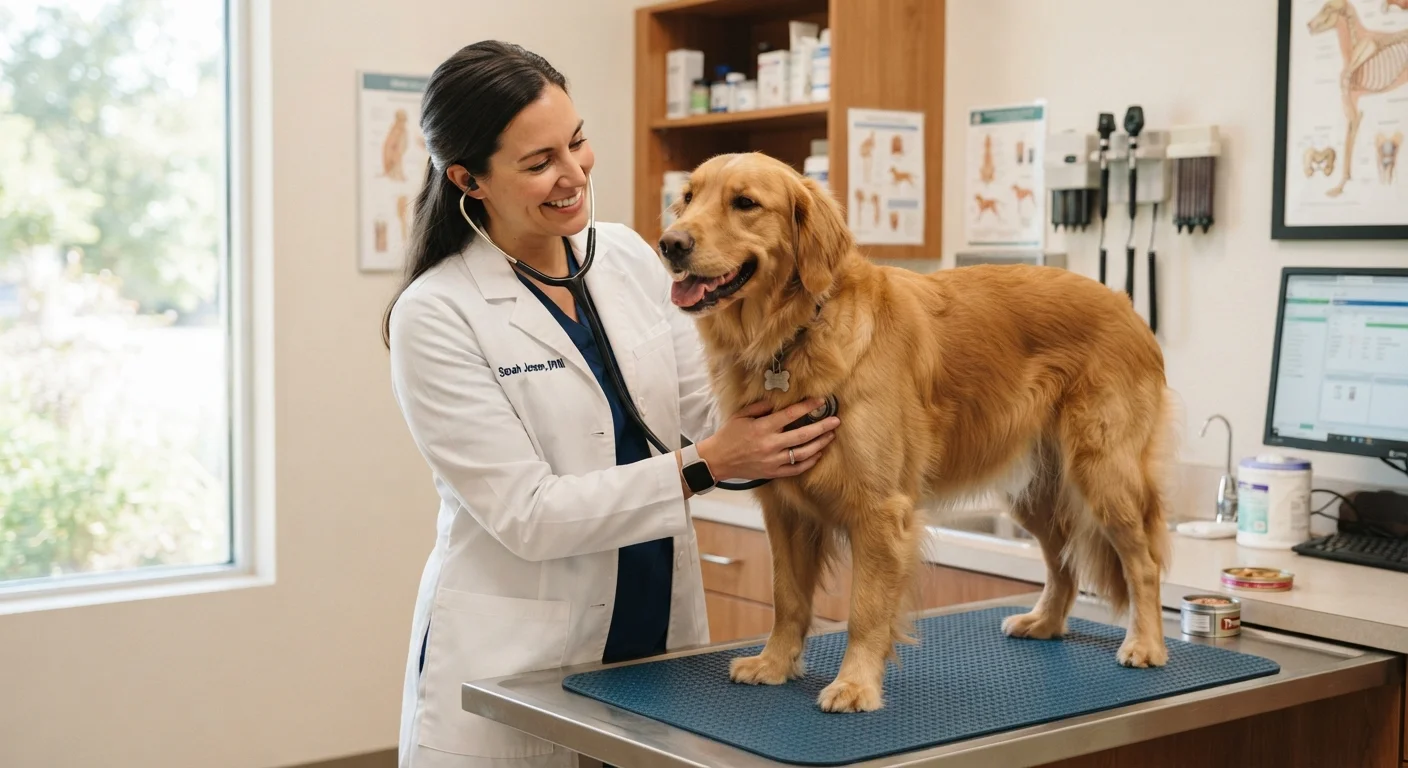
Why "Looking Fine" Isn't the Whole Story
One of the most deeply ingrained survival instincts in both dogs and cats is the tendency to conceal signs of weakness. In the wild, showing pain or illness can make an animal a target. That instinct doesn't disappear in a domestic setting — which means your pet can be managing a significant health problem while eating normally, playing, and appearing completely content.
This is why relying on visible symptoms to decide when to visit the vet is a flawed strategy. By the time many conditions produce obvious signs — limping, weight loss, lethargy, changes in thirst — they may already be well advanced. Conditions like early kidney disease, heart murmurs, elevated thyroid hormone levels, and dental infections often develop over months or years before they cause outward changes. Learning to interpret subtle cues can help, and our guide to reading your pet's body language covers what to watch for between visits — but no amount of attentive observation replaces a hands-on clinical exam.
Not a Substitute for Sick Visits
A wellness exam is a scheduled preventive visit for a pet that appears healthy — it's not a replacement for contacting your vet when something seems wrong. If your pet shows sudden changes in behavior, appetite, mobility, or elimination habits, don't wait for the next scheduled exam. Call your veterinary clinic to discuss whether an earlier visit is appropriate.
What Actually Happens During a Wellness Exam
A wellness exam is far more comprehensive than most owners expect. Your veterinarian will conduct a systematic physical assessment that includes:
- Eyes and ears: Checking for infection, cloudiness, discharge, or early signs of age-related changes.
- Mouth and teeth: Assessing gum color, plaque buildup, and signs of periodontal disease — a problem that affects the majority of pets over age three. Dental disease is closely linked to organ health; see our deeper look at dental health in dogs and cats for context.
- Heart and lungs: Listening with a stethoscope for murmurs, arrhythmias, or abnormal breath sounds.
- Abdomen: Palpating (pressing gently on) the belly to assess organ size, feel for masses, and check for pain responses.
- Skin and coat: Looking for lumps, parasites, hair loss, or inflammation.
- Weight and body condition: Tracking weight trends over time — gradual gain or loss is often the first measurable sign of an emerging condition. Weight gain in pets is easy to overlook but carries serious long-term health consequences.
Depending on your pet's age, your vet may also recommend bloodwork, urinalysis, fecal parasite testing, or heartworm screening — diagnostic steps that can reveal problems invisible to physical examination alone.
~80%
Pets with dental disease by age 3
The American Veterinary Medical Association (AVMA) notes that most dogs and cats show signs of periodontal disease by age three, often without obvious symptoms.
2x/year
Recommended exam frequency for senior pets
Most veterinary organizations recommend twice-yearly wellness visits for pets considered senior, as age-related conditions can develop and progress rapidly.
How Often Pets Need These Checkups
Frequency recommendations are not one-size-fits-all. They depend on your pet's life stage, species, breed, and health history.
- Puppies and kittens: Multiple visits in the first few months of life, often every 3–4 weeks until about 16 weeks old, to complete initial vaccine series and monitor rapid development. Our pet vaccination schedule guide explains timing in detail.
- Healthy adults (1–7 years, varies by species): At minimum, once per year.
- Senior pets: Twice yearly is commonly recommended, because age-related conditions can progress quickly and earlier detection makes a meaningful difference.
If you've just welcomed a new animal into your home, scheduling that first exam promptly is a priority. Our new pet checklist covers what to have ready before and after that first visit.
Prepare Notes Before Your Appointment
In the week before your pet's wellness visit, jot down any small changes you've noticed — shifts in appetite, water intake, sleep patterns, or energy level. Even minor observations can be valuable data for your vet. Bringing a fresh stool sample and a list of any supplements or medications your pet currently takes will help the appointment run more efficiently.
The Case for Prevention Over Reaction
Wellness exams work on the same principle as preventive care in human medicine: catching a problem at stage one is almost always better than treating it at stage three. Conditions identified early generally offer more treatment pathways, respond better to intervention, and involve less physical stress for the animal.
There's also a practical dimension. A routine exam and basic bloodwork typically cost far less than emergency diagnostics, hospitalization, or managing a condition that's become chronic. None of this is a guarantee — health outcomes depend on many variables — but the pattern of earlier detection leading to more manageable care is well established in veterinary medicine.
Think of wellness visits as building a detailed health record for your pet. Each exam adds a data point: this is what normal looks like for your individual animal. That record is what allows your vet to say with confidence whether a change is meaningful or not.
This article is for general informational purposes only and is not a substitute for professional veterinary advice. Always consult a licensed veterinarian for guidance specific to your pet's health needs.
Frequently Asked Questions
Most healthy adult dogs and cats should see a vet at least once a year. Puppies and kittens typically need visits every 3–4 weeks until about 16 weeks of age, and senior pets (generally 7 and older, depending on species and size) often benefit from twice-yearly checkups. Your vet can recommend a schedule based on your individual pet's age and health status.
A standard wellness exam covers a physical assessment from nose to tail: eyes, ears, teeth, skin and coat, lymph nodes, heart and lung auscultation, abdominal palpation, and a weight check. Your vet will also review vaccine status, discuss parasite prevention, and may recommend blood or urine tests depending on your pet's age and risk factors.
Yes. A sick visit addresses a specific symptom or concern, while a wellness exam is proactive — it's scheduled when your pet seems fine. The goal is to catch problems early, before they cause obvious symptoms, and to update preventive care like vaccinations and heartworm testing.
Frequently, yes. Conditions like early-stage kidney disease, heart murmurs, dental disease, and certain cancers can be present for months before a pet shows behavioral changes. Regular exams give vets a record of your pet's normal baseline, making deviations easier to spot.
Bring a fresh stool sample (for parasite testing), any previous medical records if you're visiting a new clinic, a list of current medications or supplements, and notes about any behavioral changes you've observed at home — even minor ones. Being prepared helps your vet get a complete picture quickly.
Yes. While indoor cats face fewer infectious disease risks, they are still susceptible to obesity, dental disease, hyperthyroidism, kidney disease, and other conditions that develop silently. Regular exams are just as important for indoor cats as for those who go outside.
The content on this site is for informational purposes only and is not a substitute for professional advice. Always consult a qualified professional for guidance specific to your situation.