

What a Claim Actually Is
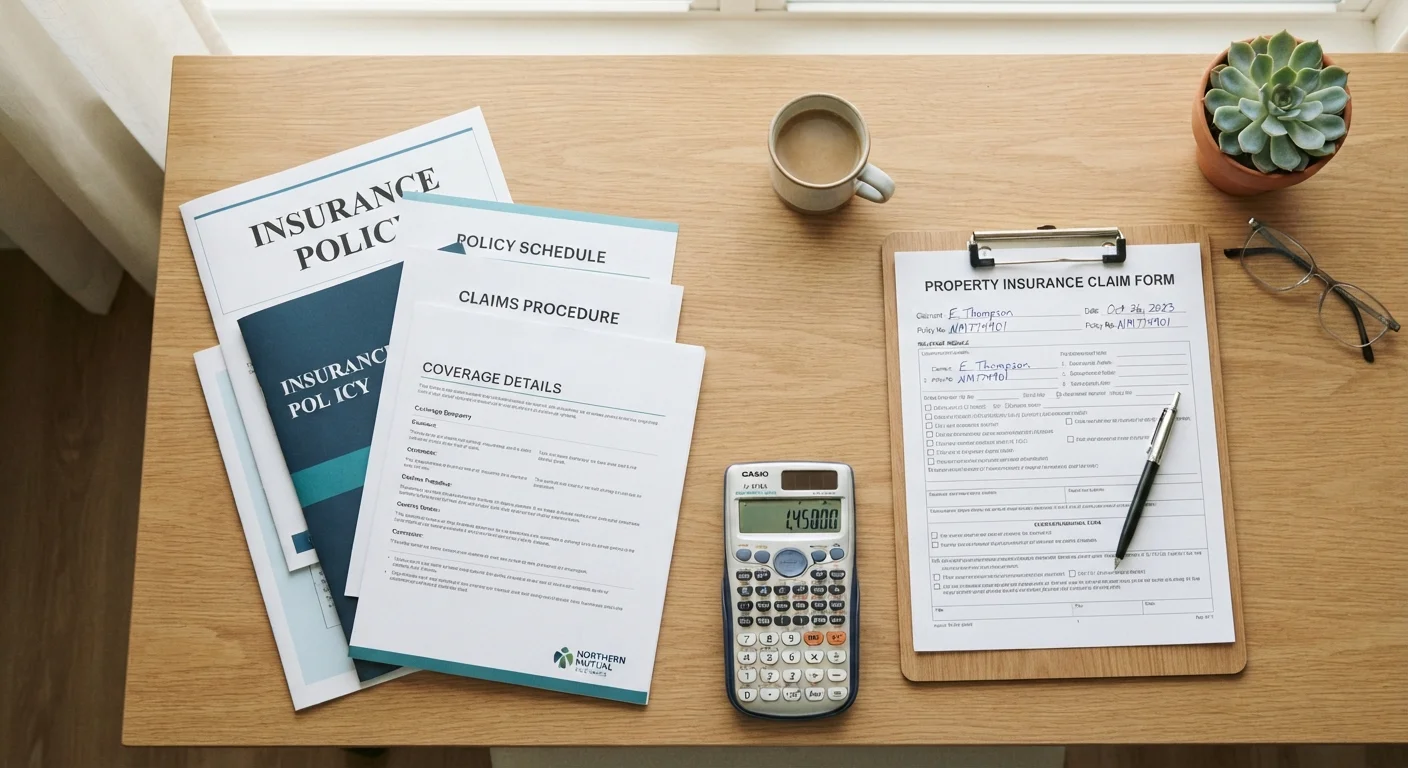
An insurance claim is a formal request to your insurer to pay for a covered loss. Whether your car was hit in a parking lot, a pipe burst in your kitchen, or you landed in the emergency room, the claims process is how your policy converts from a promise on paper into actual financial help.
Before filing, it helps to understand the basics of your coverage. If you're newer to insurance, our starter guide for first-time policyholders walks through what different coverage types are designed to do. You can also browse the Coverage Types hub for a broader overview.
Not every loss is worth claiming — if the repair cost is close to your deductible, you might pay out-of-pocket to avoid a potential premium increase. But when a loss is significant, knowing the process puts you in a much stronger position.
This article is for general informational purposes only and does not constitute insurance, legal, or financial advice. Coverage, terms, and procedures vary by insurer and state. Always read your actual policy and consult a licensed insurance professional for guidance specific to your situation.
Step 1: Opening the Claim
Contact your insurer as soon as possible after a covered event. Most policies include a "prompt notice" requirement — waiting too long can give the insurer grounds to reduce or deny a payout. You can typically report a claim by phone, through your insurer's app, or online.
When you call, have the following ready:
- Your policy number
- Date, time, and location of the incident
- A brief description of what happened
- Contact information for any other parties involved (in auto claims)
- Any police report numbers, if applicable
After you report, the insurer assigns a claim number — record it. You'll use it for every follow-up conversation.
Start a Claim File Right Away
Create a folder — physical or digital — the day you report your claim. Put every document, photo, email, and phone call log inside it. Having an organized record makes every subsequent step faster and gives you stronger footing if a dispute arises.
Step 2: The Investigation Phase
Once a claim is opened, the insurer assigns an adjuster — an employee or independent contractor whose job is to assess the facts and determine what the policy covers. The adjuster may contact you for a recorded statement, request documents, inspect damaged property, or visit the scene.
Ask the adjuster to walk you through their coverage determination before they finalize it. You may catch a misclassification or missing item that's easier to correct early than to dispute after the fact.
Adjusters handle many claims simultaneously and can overlook details specific to your situation. Early dialogue is more efficient than a formal appeal.
Get at least two independent contractor estimates for any property damage before accepting a settlement figure tied to repairs.
Independent estimates give you objective market data to reference if you believe the insurer's repair valuation is too low, and they cost nothing to obtain.
Your responsibilities during investigation:
- Document everything. Take photos and videos before any cleanup or repairs begin.
- Save receipts and records. Hotel stays, rental cars, medical bills, contractor estimates — keep them all.
- Don't authorize permanent repairs yet (in most cases) until the adjuster has seen the damage. Emergency repairs to prevent further loss are generally fine — document those costs separately.
- Respond promptly. Slow responses from policyholders are a common source of claim delays.
You have the right to get your own independent repair estimate. If the adjuster's figure seems off, an independent assessment can serve as a factual counterpoint.
~40%
Homeowners who never file a claim
Industry data suggests a large share of policyholders go years without filing, making the process unfamiliar when a loss finally occurs.
30 days
Typical insurer acknowledgment window
Many states require insurers to acknowledge a claim within 10–30 days of receipt; settlement timeframes vary further by state and claim complexity.
Step 3: The Settlement Offer
After the investigation, the insurer issues a coverage determination and — if the claim is approved — a settlement offer. This is the dollar amount they propose to pay, minus your deductible and subject to your policy limits.
Read the offer carefully. It should specify:
- What losses are being covered
- What is excluded and why
- How the payout amount was calculated (actual cash value vs. replacement cost)
You are not required to accept the first offer. If you believe the amount undervalues your loss, you can negotiate. Provide documentation to support your position — contractor quotes, comparable market values, medical bills. Insurers expect some back-and-forth on significant claims.
Watch Out for Actual Cash Value vs. Replacement Cost
These two valuation methods can produce very different payouts. Actual cash value (ACV) factors in depreciation, so a five-year-old roof pays out far less than what a new one costs. Replacement cost value (RCV) covers the cost to rebuild or replace at current prices. Check which method your policy uses before you assume the settlement figure is complete.
Step 4: Payment and Closing the Claim
Once you and the insurer agree on an amount, payment is issued. Depending on the claim type, this may be a direct deposit, a check mailed to you, or a payment sent to a contractor or medical provider. In some property claims, payment goes jointly to you and your mortgage lender.
Before a claim closes, review the settlement release carefully. Signing a final release typically means you cannot reopen the claim later — even if additional related damage surfaces. Ask the adjuster whether a "supplemental claim" process exists for your coverage type if you're uncertain.
Keep all claim documents in a safe place, including the explanation of benefits or settlement summary. These records can matter if a related dispute arises down the road — similar to how documentation matters in disputing a credit report error.
If the Decision Goes Against You
A denial or a low settlement doesn't have to be the final word. Insurers are required by state law to provide a written explanation for any denial. Read it carefully — the stated reason tells you exactly what you're appealing.
Common next steps include:
- Internal appeal: Write a formal letter disputing the decision, citing the specific policy language you believe supports your claim, and attach supporting documentation.
- Public adjuster: A licensed public adjuster works on your behalf (for a fee) to reassess and negotiate property claims.
- State insurance department: Every state has a department that regulates insurers and handles consumer complaints. Filing a complaint is free and often prompts a faster response from the insurer.
- Appraisal or arbitration: Many policies include a formal dispute resolution process for disagreements over value.
- Legal counsel: For large or complex denials, an attorney who specializes in insurance law can assess whether bad faith or breach of contract is involved.
For a deeper look at this stage, see our article on what to do when an insurance claim gets denied. And if you're still evaluating whether your current policy is the right fit, our Choosing a Policy hub can help you think through your options.
You Have Deadlines for Appeals
Most policies and state laws set strict time limits for filing internal appeals and external complaints — sometimes as short as 30 to 60 days from the denial date. If you miss these windows, your options narrow significantly. Read the denial letter immediately and note any deadlines it references.
The content on this site is for informational purposes only and is not a substitute for professional advice. Always consult a qualified professional for guidance specific to your situation.