

How Car Batteries Age Over Time
Every time your car starts, the battery delivers a burst of current to crank the engine, then relies on the alternator to recharge it while you drive. This charge-and-discharge cycle is normal - but it's not infinite. Over hundreds or thousands of cycles, the lead plates inside the battery gradually corrode and the electrolyte solution degrades, reducing the battery's ability to hold a full charge.
The typical 12-volt lead-acid battery has a serviceable lifespan of 3 to 5 years in most US driving conditions. That range is wide because lifespan depends heavily on climate, usage patterns, and how well the vehicle's charging system is functioning. A battery in Phoenix, Arizona may wear out noticeably faster than the same battery in Portland, Oregon, simply due to sustained heat exposure.
Capacity loss is gradual and not always obvious. A battery can pass a basic voltage test while already struggling under real-world load. This is why visible warning signs and periodic load testing matter - voltage alone doesn't tell the full story.
3-5 years
Typical car battery lifespan
Industry guidance from organizations such as AAA indicates most conventional lead-acid batteries last 3 to 5 years depending on climate and driving habits.
~20%
Reduced battery output in freezing temps
Battery cold cranking performance can drop substantially at or below freezing - compounding the problem for batteries already experiencing age-related capacity loss.
1 in 5
Roadside calls attributed to battery issues
Battery-related failures are consistently among the most common causes of roadside assistance calls in the United States, according to AAA annual data.
What Drains a Battery Faster Than Normal
Several everyday factors accelerate battery wear beyond ordinary aging:
- Extreme heat: High underhood temperatures speed up internal corrosion and cause electrolyte to evaporate in non-sealed batteries. Heat is widely regarded as the primary cause of premature battery failure in warm climates. Cold weather presents the opposite problem - while it doesn't destroy the battery the way heat does, it dramatically reduces the battery's output current right when you need it most.
- Short, frequent trips: Startup draws significant current. If your alternator never gets enough run time to fully replenish that charge, the battery operates in a chronic partial-state-of-charge, which shortens its life.
- Parasitic drain: Electronics that draw power when the car is off - phone chargers, dash cameras, aftermarket audio systems, or a dome light left on - can deplete a battery overnight or over a few parked days.
- Infrequent driving: A car sitting unused for several weeks will self-discharge. Batteries that repeatedly fall to very low charge levels suffer accelerated plate sulfation, which permanently reduces capacity.
- Charging system faults: A failing alternator or voltage regulator can either undercharge the battery (leaving it perpetually low) or overcharge it, both of which damage battery chemistry.
Check Before a Long Parking Period
Planning to leave your car parked for more than two weeks? Consider a battery maintainer (often called a trickle charger) to keep the battery at a healthy charge level without overcharging. This is especially useful for seasonal vehicles or during extended travel. Unplug any non-essential accessories - such as dash cameras or phone chargers - before leaving.
Warning Signs You Shouldn't Ignore
Catching a weakening battery early can prevent being stranded. Watch for these signals:
- Slow cranking: If the engine turns over sluggishly - especially on cold mornings - the battery may no longer be delivering sufficient starting current.
- Dimming or flickering lights: Headlights or dashboard lights that dim noticeably at idle often indicate the battery isn't holding enough charge to supplement the alternator at low RPM.
- Frequent jump-starts: Needing a jump-start more than once in a short period is a clear sign the battery is not recovering its charge properly.
- Battery or check-engine warning light: Some vehicles illuminate a battery icon when the charging system isn't maintaining proper voltage. Don't dismiss this light.
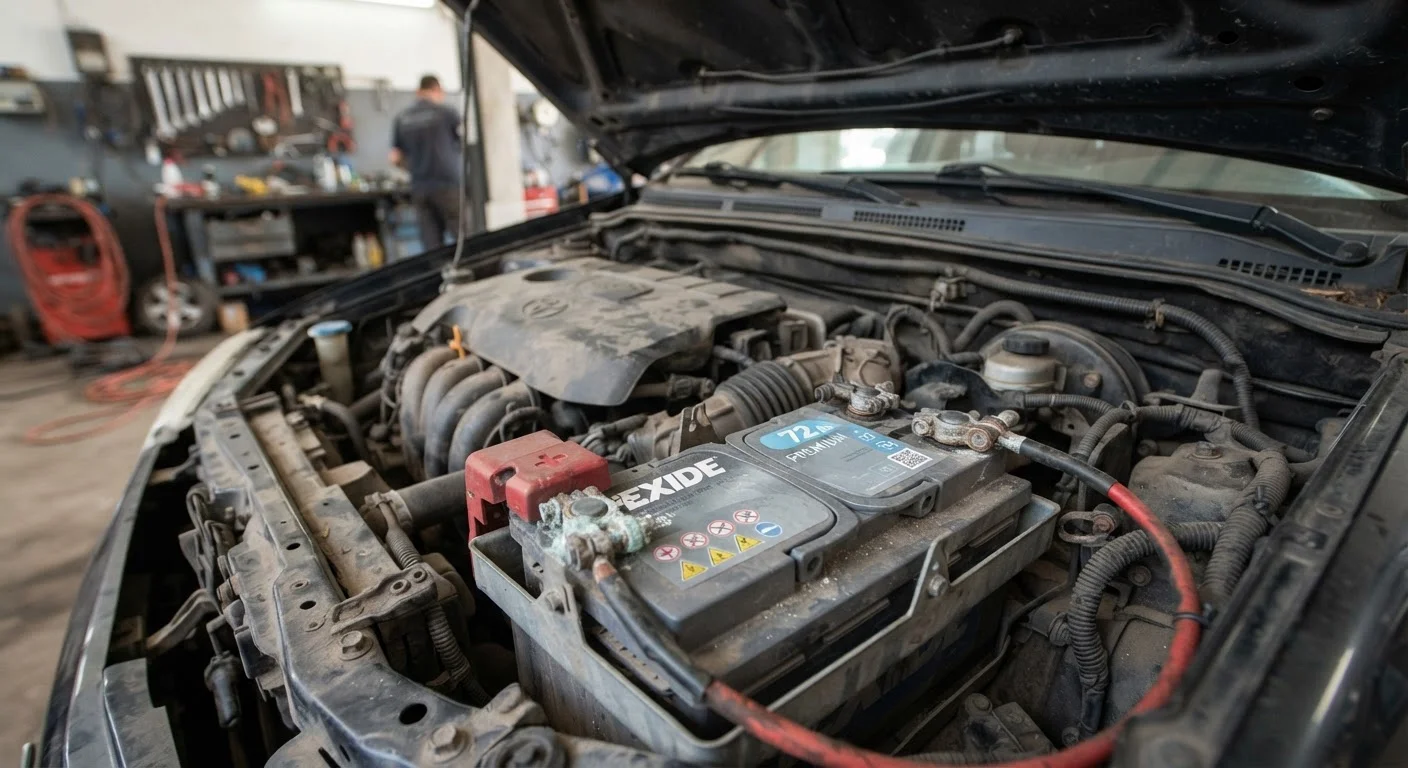
- Corroded terminals: A white or bluish chalky buildup around battery terminals restricts electrical flow and can mimic a weak battery even when the battery itself is still serviceable.
- Swollen battery case: Physical bulging indicates excessive heat exposure or overcharging. A swollen battery should be inspected by a mechanic promptly - it's a safety concern, not just a performance one.
For a broader look at keeping vehicle costs in check while staying ahead of issues like this, see our guide on keeping a car running well without overspending.
What You Can Do to Extend Battery Life
While no battery lasts forever, a few practical habits help maximize the lifespan you get:
- Drive regularly and for longer stretches when possible, giving the alternator time to fully recharge the battery.
- Turn off all lights and accessories before exiting the vehicle. Verify that phone chargers and other 12V devices are unplugged when the car is parked for extended periods.
- Keep terminals clean. Terminal corrosion is easy to address - a mechanic or experienced DIYer can clean terminals safely. Clean connections ensure efficient power transfer.
- Use a battery maintainer (trickle charger) if the vehicle will sit unused for weeks. These devices keep the battery at an optimal charge without overcharging.
- Have the battery load-tested annually once it's past 3 years old. Most auto service shops offer this at little or no cost and can tell you objectively whether replacement is approaching.
Drivers with higher-mileage vehicles should pay particular attention, since battery health intersects with overall electrical system condition. Our guide on keeping a high-mileage vehicle on the road covers how aging systems interact.
Terminal Corrosion vs. a Dead Battery
Corroded battery terminals can cause symptoms that look identical to a weak battery - slow cranking, electrical issues, and hard starts. Before concluding the battery needs replacement, have a mechanic check whether cleaning the terminals resolves the problem. Corrosion is a common and relatively simple fix, but it should be handled carefully to avoid contact with battery acid residue.
This article is for general informational purposes only. For diagnosis of specific vehicle issues, consult a qualified mechanic.
Frequently Asked Questions
Most conventional lead-acid car batteries last between 3 and 5 years. Factors like climate, driving habits, and how often the vehicle sits unused can shorten or extend that range. Batteries in hot climates often fail sooner than those in moderate climates.
Parasitic drain is the most common culprit - this includes interior lights left on, phone chargers plugged into the 12V port, and always-on electronics. Some modern vehicles also draw small amounts of power continuously for alarm systems, key fob detection, and infotainment memory. A significant parasitic draw, however, usually indicates a wiring fault.
Yes. The alternator needs sustained driving time - typically 30 minutes or more - to fully recharge a battery after engine startup. Frequent very short trips mean the battery is regularly drawn down slightly without being fully restored, which accelerates wear over time.
Common signs include slow or sluggish engine cranking, dimming headlights especially at idle, a battery or check-engine warning light, and needing jump-starts more than once. Corroded terminals and a swollen or warped battery case are also physical red flags.
Both are harmful, but in different ways. Heat accelerates internal corrosion and chemical breakdown, which shortens overall battery lifespan. Cold weather reduces a battery's ability to deliver current, making an already weak battery unable to crank the engine. Batteries degraded by summer heat often fail visibly in winter.
Proactive replacement is generally worth it once a battery is more than 4 years old and showing any warning signs. A load test - available at most auto service shops - can objectively measure remaining capacity, helping you decide before you're stranded.
The content on this site is for informational purposes only and is not a substitute for professional advice. Always consult a qualified professional for guidance specific to your situation.