

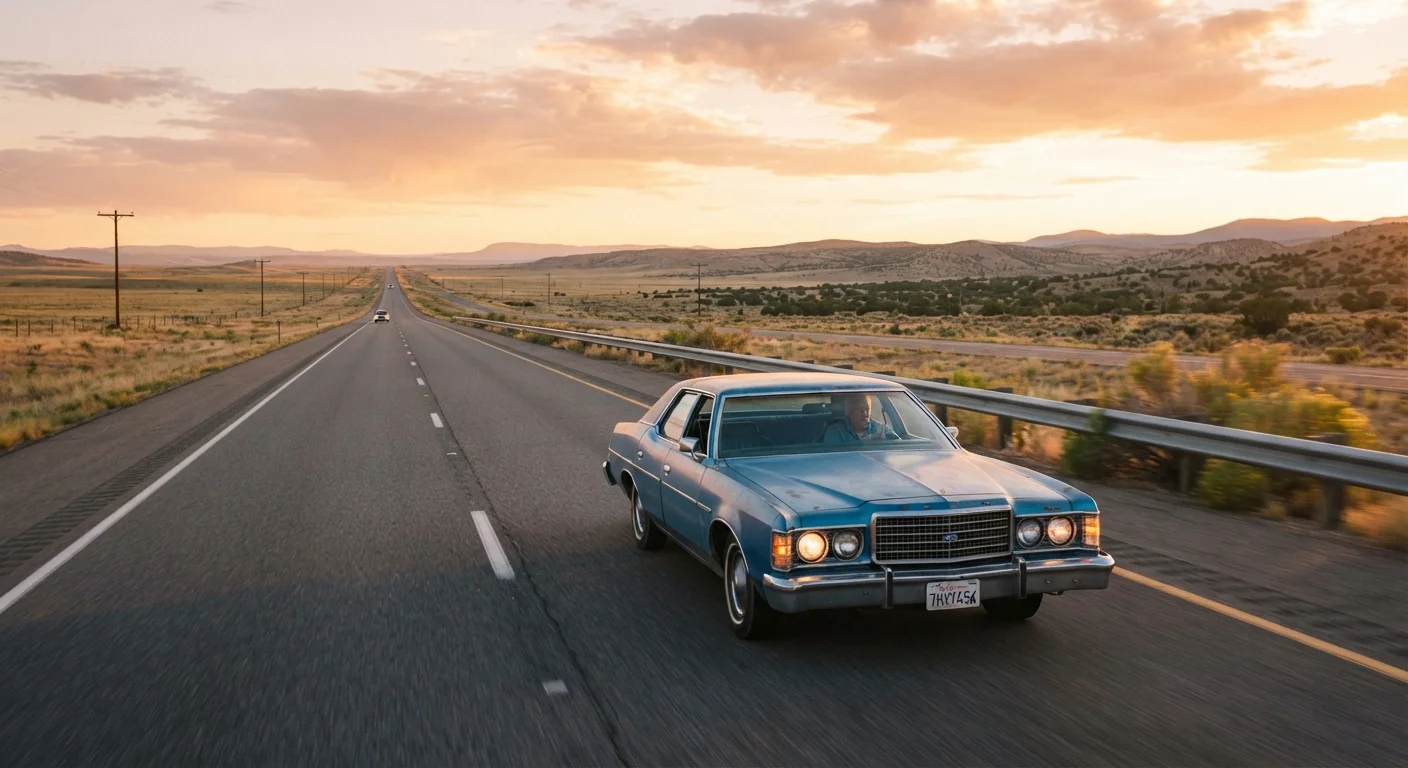
Why High-Mileage Vehicles Need a Different Approach
Crossing the 100,000-mile mark is a milestone - but it's also a turning point. Components that were built to last a certain number of years or miles are now entering the range where wear accelerates. Seals become brittle, fluids break down faster, and systems that rarely needed attention may start requiring it regularly.
That doesn't mean a high-mileage car is destined for the junkyard. Many vehicles reach 200,000 miles and beyond with the right care. But the strategy shifts: you move from following a generic maintenance schedule to actively managing an aging vehicle's specific vulnerabilities. See our maintenance schedule guide for a breakdown of what each service interval actually covers.
High Mileage Doesn't Equal Unreliable
A well-maintained vehicle with 150,000 miles can be more dependable than a neglected one with 60,000. Mileage is one data point - maintenance history is the more meaningful measure of a car's condition. When buying or evaluating a high-mileage vehicle, always request service records and consider an independent pre-purchase inspection.
Core Maintenance Practices for Aging Vehicles
The practices below address the systems most likely to cause problems in high-mileage vehicles. Prioritizing these consistently is what separates cars that keep running from ones that strand their owners.
Switch to a high-mileage motor oil formulation and keep oil changes on schedule.
Engine tolerances widen as components wear, and high-mileage oil formulations contain seal conditioners and additives that help compensate. Skipping or delaying oil changes accelerates sludge buildup, which is especially damaging in an older engine. See why delaying oil changes is more costly than it seems.
Inspect and replace rubber components - belts, hoses, and gaskets - on a proactive schedule.
Rubber degrades from heat, age, and mileage regardless of how a car looks externally. A snapped serpentine belt or a burst coolant hose can cause immediate breakdown and, in the case of overheating, serious engine damage. Visual inspections alone often miss internal cracking.
Check all fluids - coolant, brake fluid, transmission fluid, and power steering fluid - at every oil change.
Older vehicles are more prone to slow leaks and fluid breakdown. Coolant loses its corrosion inhibitors over time; brake fluid absorbs moisture and can reduce stopping effectiveness; transmission fluid that looks dark or smells burnt is a warning sign. Catching these issues early is far cheaper than replacing the system they protect.
Have the battery and charging system tested annually.
Most car batteries have a practical lifespan of three to five years, and a battery approaching that age in a high-mileage vehicle deserves closer attention. A failing battery puts added strain on the alternator, which is itself expensive to replace. Cold weather accelerates the problem significantly. Learn more about battery wear signs and what drains batteries faster.
Monitor tire condition and alignment more closely as suspension components age.
Worn ball joints, tie rods, and bushings allow small alignment shifts that cause uneven and accelerated tire wear. At highway speeds, a compromised suspension is also a safety issue. High-mileage vehicles are more susceptible because these components experience cumulative fatigue.
Address warning lights and unusual sounds promptly rather than monitoring them.
In a high-mileage vehicle, small symptoms rarely stay small. A check engine light, persistent knock, or new vibration is the car communicating that something needs attention - and the window between a manageable fix and a major failure is often shorter than it would be in a newer vehicle.
Quick Actions You Can Take This Week
You don't need a full mechanical overhaul to start protecting a high-mileage vehicle. A handful of simple actions can meaningfully reduce your risk of a breakdown or expensive repair. Combine these with the smart habits that keep maintenance costs manageable and you'll be ahead of most owners.
12+ years
Average age of vehicles on U.S. roads
According to S&P Global Mobility data, the average age of light vehicles in operation in the United States has exceeded 12 years, meaning high-mileage ownership is increasingly the norm.
200,000+
Miles achievable with consistent care
Automotive reliability analysts note that modern vehicles maintained according to schedule - and monitored more closely after 100,000 miles - routinely reach 200,000 miles without major powertrain failure.
When to Repair vs. When to Move On
At some point, every high-mileage vehicle owner faces the same question: is this worth fixing? There's no universal answer, but a useful rule of thumb is to compare the cost of a repair against roughly one year of monthly payments on a replacement vehicle. If the repair is less, it often makes financial sense to proceed - especially if the rest of the car is in reasonable condition.
Keep in mind that reliability history matters. A car that has needed multiple major repairs in a short window is telling you something different than one that has needed its first significant fix after years of trouble-free use. Tracking your maintenance and repair history, as outlined in our guide on habits that keep cars running longer, gives you the data to make that call clearly.
“The cars that go 200,000 miles aren't special - they just had owners who paid attention consistently, especially after 100,000 miles when the real maintenance discipline begins.”
— Automotive industry observer, Vehicle longevity researcher and consumer automotive educator
This article is for general informational purposes only. Always consult a qualified mechanic for diagnosis and repair decisions specific to your vehicle.
The content on this site is for informational purposes only and is not a substitute for professional advice. Always consult a qualified professional for guidance specific to your situation.