

Our Verdict
Extended warranties can deliver genuine financial protection for drivers who keep vehicles long-term, purchase coverage at a reasonable price, and understand exactly what is and isn't covered. For others-especially those who trade vehicles frequently or drive well-maintained, historically reliable models-the math often doesn't favor the contract. The decision hinges on your specific vehicle, your financial cushion, and how carefully you evaluate the fine print.
Best suited for drivers planning to keep a vehicle well past its factory warranty period, particularly those who prefer predictable monthly costs over the uncertainty of unexpected repair bills.
What an Extended Warranty Actually Is
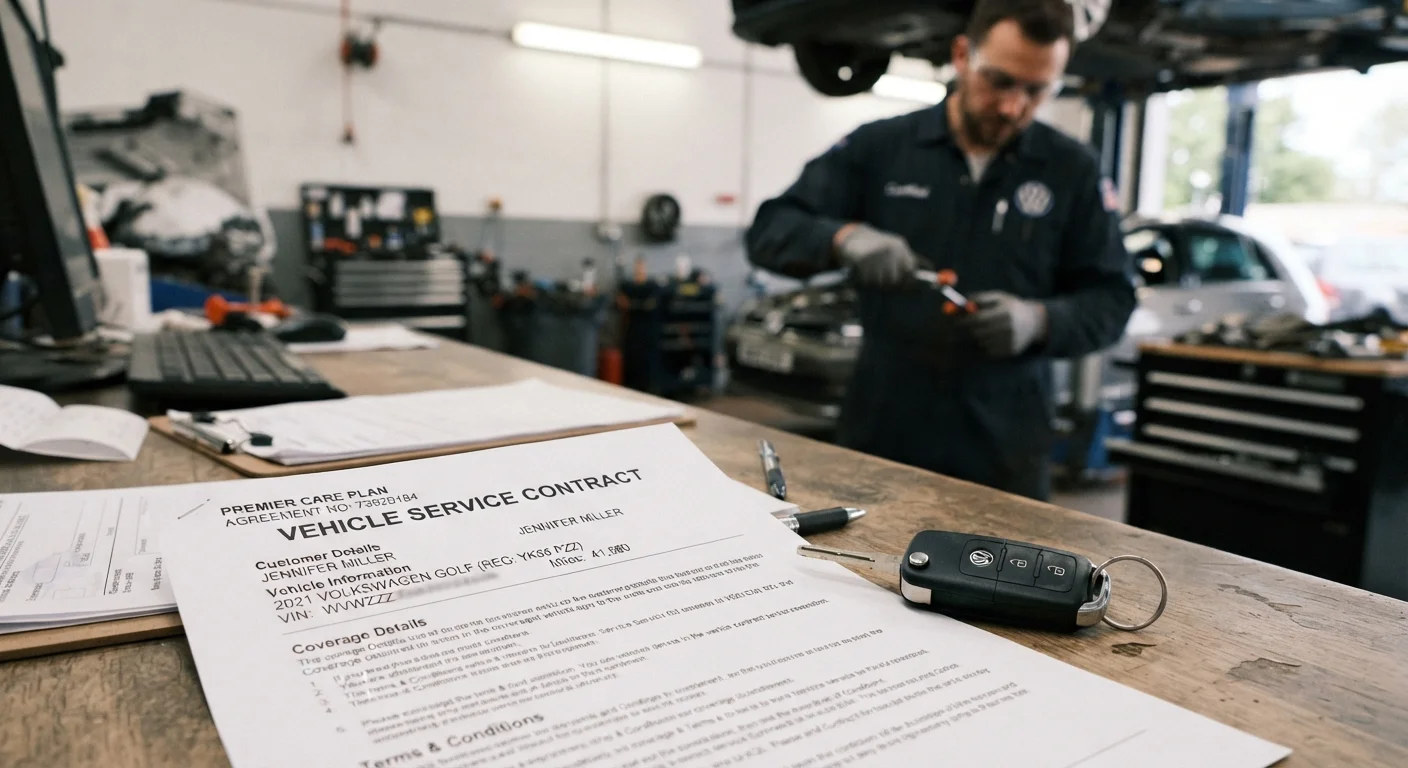
The term "extended warranty" is used loosely in the automotive world, but it describes two distinct products. The first is a manufacturer-backed extended warranty-sometimes called a factory extended warranty-offered directly by the automaker. The second, and far more common, is a vehicle service contract (VSC) sold by dealers or third-party administrators. VSCs are not warranties in the legal sense; they are contracts that agree to pay for certain repairs under defined conditions.
Understanding this distinction matters because the coverage terms, claims processes, and financial stability behind these products differ considerably. A manufacturer plan is backed by the automaker; a third-party VSC depends on the solvency and policies of a private company. Either way, what counts is what the contract specifically covers-not the marketing language on the brochure.
For broader context on how these products fit into the dealer finance process, see F&I office add-ons explained.
The Pros: When Extended Coverage Makes Sense
For the right driver in the right situation, an extended warranty can be a financially sound decision. Here are the primary advantages:
Predictable costs for unexpected major repairs
A VSC converts the risk of a large, unpredictable repair bill into a fixed monthly or upfront cost, which can help drivers budget with greater certainty.
Protection after factory warranty expires
Most new-car factory warranties expire at 3 years or 36,000 miles for bumper-to-bumper coverage, leaving a gap that an extended plan can fill for drivers keeping vehicles longer.
Potential value on complex, costly-to-repair vehicles
Vehicles with advanced electronics, turbocharged engines, or dual-clutch transmissions can generate repair bills that quickly exceed the cost of a service contract.
Roadside assistance and rental car benefits often included
Many plans bundle supplemental benefits-towing, lockout service, rental reimbursement-that add practical convenience beyond mechanical repair coverage.
Transferable coverage may help resale value
Some manufacturer-backed extended warranties can be transferred to a subsequent owner, which may be a selling point when the vehicle changes hands.
Coverage tends to deliver the most value for drivers holding onto vehicles past the 100,000-mile mark, where powertrain and electrical repair costs tend to climb. If you're weighing the long-term economics of keeping an older vehicle, high-mileage vehicle ownership covers the broader financial picture.
The Cons: Where Extended Warranties Fall Short
Despite the appeal of predictable costs, extended warranties come with meaningful limitations that reduce their value for many drivers:
Exclusions can leave major repairs uncovered
Most VSCs are exclusionary contracts-they list what is covered, not what is excluded-meaning a long list of conditions, components, and failure causes can void a claim.
Deductibles and claim friction add hidden costs
Many contracts carry per-visit deductibles ranging from $100 to $200, and the claims process can require pre-authorization, inspection delays, or disputes over repair necessity.
Repair shop restrictions may limit your options
Some third-party VSCs require repairs to be made at authorized facilities, which may not include your preferred independent mechanic or specialty shop.
High cost relative to statistical repair probability
For well-maintained, historically reliable vehicle models, the probability of a covered catastrophic failure within the contract window may not justify the premium paid.
Third-party administrators carry solvency risk
Unlike manufacturer warranties, third-party VSC providers can go out of business, leaving contract holders without recourse-a risk that warrants careful provider vetting.
Routine maintenance is never covered
Oil changes, fluid replacements, tire wear, and brake services are excluded by virtually all service contracts, meaning ownership costs include both the VSC premium and standard maintenance expenses.
55%
VSC holders who report using coverage
According to Consumer Reports survey data, roughly 55% of extended warranty purchasers reported using their contract at least once-but satisfaction with the payout varied considerably.
$1,200-$4,000+
Typical VSC cost range for used vehicles
Industry estimates suggest vehicle service contracts for used vehicles commonly range from $1,200 to over $4,000 depending on coverage level, term length, and vehicle age.
It's also worth noting that routine maintenance-oil changes, tire rotations, brake pads-is almost universally excluded from VSCs. These are separate costs regardless of coverage. For strategies to keep those expenses reasonable, see keeping maintenance costs in check.
The Alternative: Self-Funding Repairs
One underused alternative is building a dedicated vehicle repair fund-essentially setting aside the monthly amount you would have paid in VSC premiums into a separate savings account. Over time, this fund grows and compounds, and unlike a service contract, unspent money stays with you. If your vehicle never needs a major repair, you've lost nothing.
The Math Behind Self-Funding
If a VSC costs $150 per month over a 36-month term, that's $5,400 paid into the contract. The same amount deposited into a dedicated savings account over three years remains fully accessible and earns interest. Drivers whose vehicles require no major repairs during that window come out ahead by self-funding. The tradeoff is absorbing the full cost of any single large repair if one arises early.
The self-funding approach works best for drivers with some financial cushion and vehicles with solid reliability histories. It's less comfortable for drivers living paycheck to paycheck who cannot absorb a $2,000 repair bill without hardship-a situation where a VSC's predictability has genuine value.
If you're deciding between a new and used vehicle and thinking through total ownership costs, new vs. used car trade-offs is a useful companion read.
The content on this site is for informational purposes only and is not a substitute for professional advice. Always consult a qualified professional for guidance specific to your situation.