

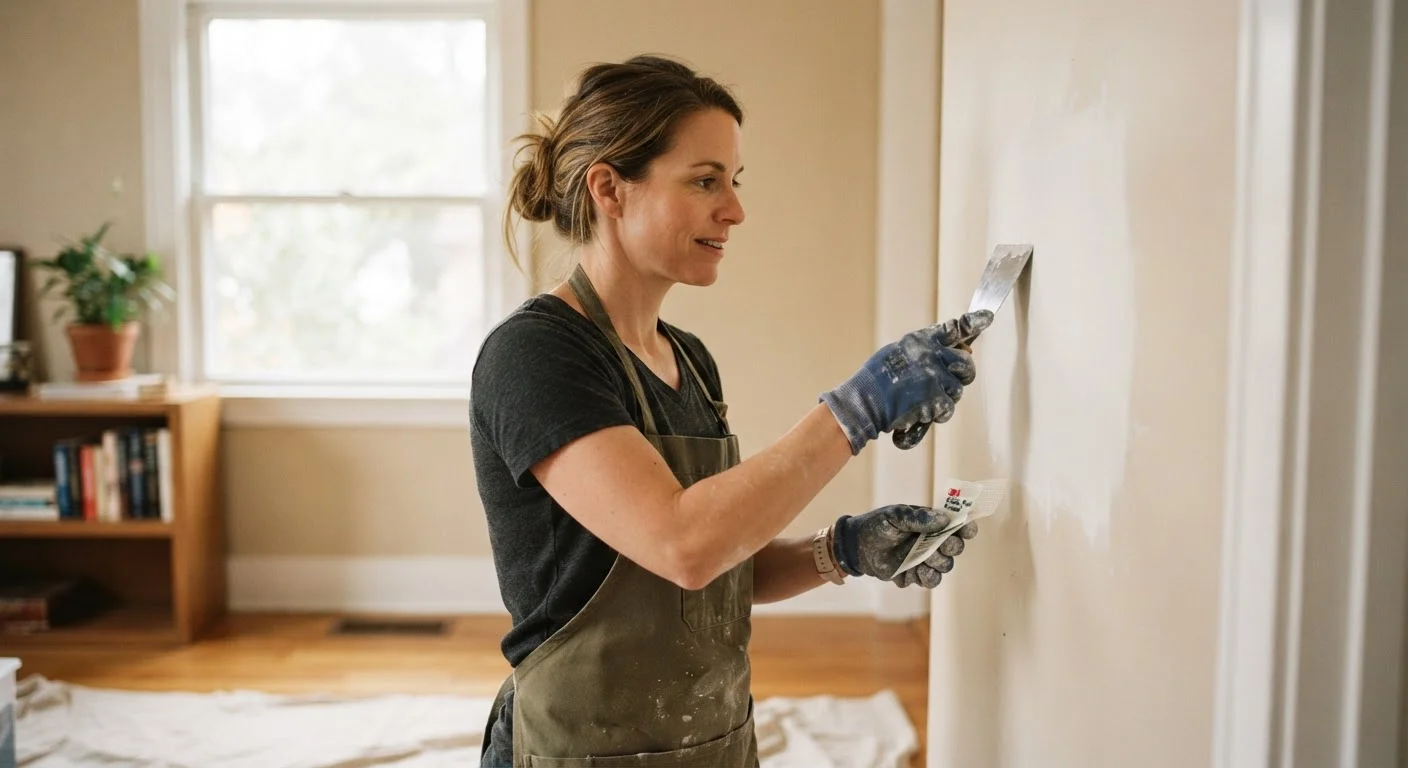
Why the DIY Decision Matters
Taking on home repairs yourself can save money and build real competence — but the decision carries weight. A poorly executed repair can worsen the original problem, create safety hazards, or void warranties. At the same time, reflexively hiring out every small task adds up fast. The goal isn't to avoid DIY — it's to choose the right projects for your skill level and situation.
For first-time homeowners especially, understanding how to evaluate a repair before starting is a foundational skill. Our guide to managing a home covers this broader picture in detail.
“The most expensive repair is the one you have to redo — or the one that causes a second problem. Taking five minutes to assess a job honestly before you start saves more than any tool you could buy.”
— A licensed general contractor with 20+ years of residential experience, Licensed General Contractor, Residential Specialist
Jobs That Are Generally Safe for Homeowners
A wide range of common repairs fall well within reach for most adults with basic tools, patience, and the willingness to follow instructions carefully. These typically involve low voltages, no structural load, and no permit requirements.
Before any project involving ladders, power tools, or enclosed spaces, review your workspace for hazards. Our garage and workshop safety guide covers tool and workspace precautions worth reading first.
Jobs That Usually Require a Licensed Professional
Some repairs look approachable but involve risks that go well beyond a beginner's ability to manage safely. Mistakes in these areas can result in house fires, structural failure, gas leaks, or electrocution — and may leave you legally and financially exposed.
Work That Carries Serious Risk If Done Incorrectly
Electrical panel work, adding circuits, replacing gas appliances, modifying load-bearing walls, and installing new plumbing drain lines are areas where errors can be dangerous and costly. These tasks require licensed electricians, plumbers, or contractors in most U.S. states — not because they're conceptually impossible for a homeowner, but because the consequences of mistakes include fire, flooding, gas leaks, and structural compromise. If you're uncertain whether your planned project falls into this category, a brief consultation with a licensed contractor is usually worth the time.
Local building codes in most U.S. jurisdictions require permits for work involving electrical panels, plumbing drainage, load-bearing walls, and HVAC systems. Unpermitted work can complicate home sales and may affect homeowner's insurance claims. When evaluating any significant repair, check with your local building department before starting.
This parallels decisions car owners face — our article on DIY vs. shop car repairs outlines the same risk-based reasoning applied to vehicles.
How to Assess Any Repair Before You Start
The right question isn't only "Can I do this?" but "Should I do this — given the stakes, my skill level, and what could go wrong?" Use this framework before committing to any project.
A useful parallel exercise: run a room-by-room home safety audit periodically. It surfaces repair needs early, when problems are still minor and DIY-appropriate, rather than after they've escalated.
This article is for general informational purposes only. It does not constitute professional construction, electrical, plumbing, or legal advice. Always consult a qualified, licensed contractor or your local building authority for guidance specific to your home and jurisdiction.
The content on this site is for informational purposes only and is not a substitute for professional advice. Always consult a qualified professional for guidance specific to your situation.