

What Oil Actually Does - and Why It Breaks Down
Motor oil does more than lubricate. It cleans engine components by suspending dirt and combustion byproducts, helps regulate engine temperature, and creates a protective film between metal surfaces that would otherwise grind against each other. Without that film, friction increases rapidly and metal wears down.
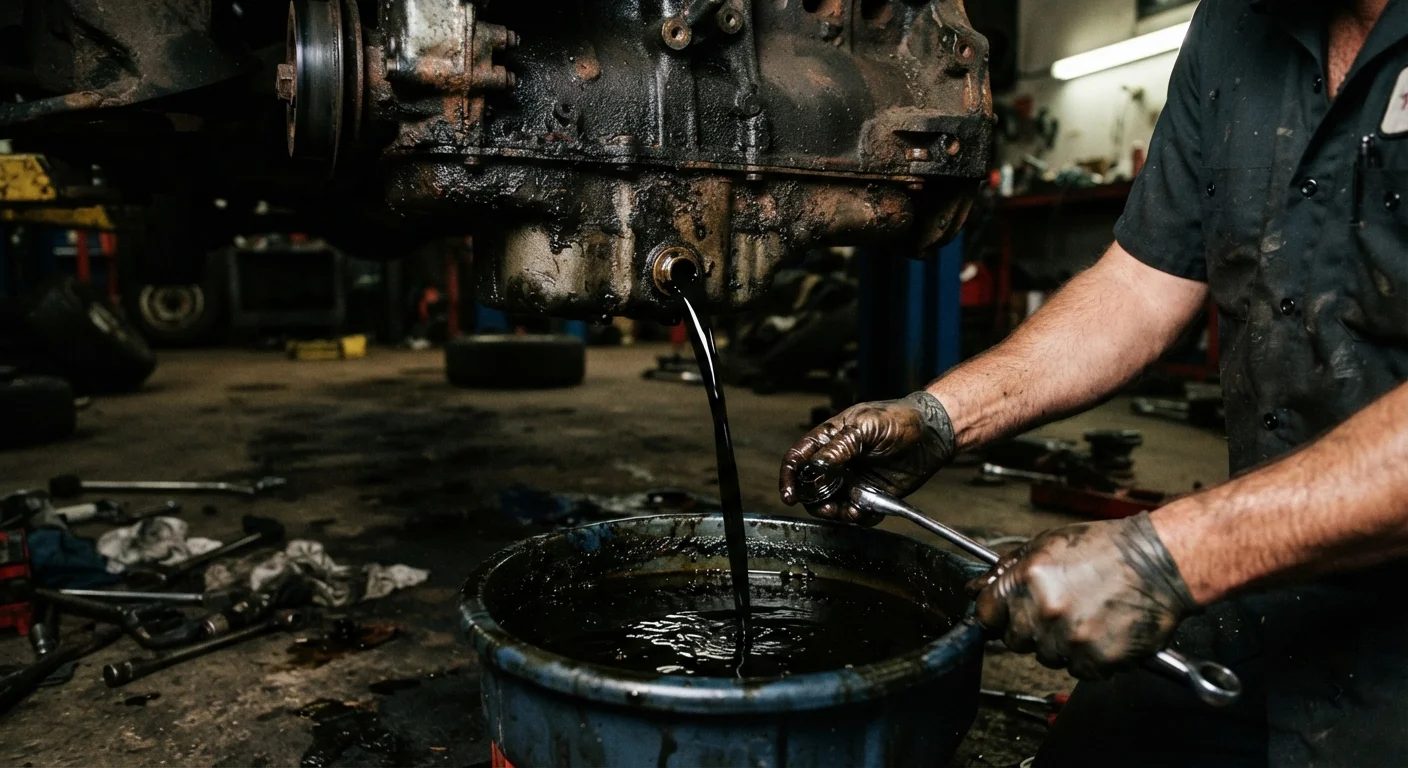
Over time and miles, oil breaks down chemically. The additives that give it cleaning and protective properties get depleted. What's left is a thick, dark sludge that contaminates rather than cleans. This process happens on a timeline - not just based on mileage, but also based on heat cycles, driving conditions, and the type of oil used. For a deeper look at how oil type affects your engine, see how synthetic and conventional oils differ.
Waiting until the oil life monitor hits zero before changing the oil.
Why it happens: Dashboard oil life monitors feel authoritative, so drivers trust them as the final word rather than a general guide.
Assuming 'a few extra months' won't matter because the car seems fine.
Why it happens: Engine damage from degraded oil is silent and gradual, so there's rarely an obvious symptom that triggers urgency.
Using the same interval for every vehicle regardless of manufacturer guidance.
Why it happens: The old '3,000-mile' rule is so widely repeated that many drivers apply it universally, even to modern engines designed for longer intervals.
Skipping oil changes more frequently during periods of low driving activity.
Why it happens: Drivers who aren't putting on many miles assume the oil must still be good because the car 'hasn't been driven much.'
Topping off with oil instead of doing a full oil change.
Why it happens: Adding a quart of fresh oil feels like a quick fix, and it keeps the level on the dipstick in the safe zone - which seems good enough.
The Real Financial Cost of Delaying Oil Changes
An oil change typically costs between $40 and $100 depending on oil type and where you go. An engine rebuild or replacement can run anywhere from $3,000 to over $10,000. That gap is the financial reality of deferred maintenance.
$3,000-$10,000+
Typical engine repair or replacement cost
Industry estimates from automotive repair data consistently place major engine work in this range, dwarfing the cost of routine oil changes.
$40-$100
Average oil change cost
Routine oil change pricing varies by oil type and service provider, but remains a fraction of the repair costs caused by neglecting it.
What makes this particularly frustrating is that the damage builds silently. There's often no warning light, no obvious symptom - just gradual wear that shortens your engine's lifespan. By the time you notice misfires, knocking sounds, or excessive oil consumption, the damage is already done. See how this pattern parallels other types of deferred maintenance in our piece on the hidden costs of postponing small repairs.
Sludge Buildup Can Total an Engine
When old oil thickens into sludge, it can block oil passages and starve critical engine components of lubrication entirely. This kind of damage is often irreversible and can render an engine beyond economical repair. Mechanics frequently cite oil neglect as a leading cause of premature engine failure in vehicles that otherwise show no other problems.
For drivers with high-mileage vehicles, the stakes are even higher. Older engines often rely more heavily on fresh oil to compensate for worn seals and increased blow-by. Our guide on keeping a high-mileage vehicle on the road covers what to prioritize as mileage climbs.
Building Better Habits Around Oil Changes
Consistent oil changes are one of the highest-return maintenance habits a driver can have. The key is making it automatic rather than reactive. Set a phone reminder tied to your odometer reading. Keep a simple maintenance log in your glove box. Use whatever system keeps you from guessing.
Don't Rely Solely on Warning Lights
The oil pressure warning light doesn't alert you to degraded oil - it only activates when pressure drops dangerously low, which usually means serious damage has already begun. Proactive scheduling based on your owner's manual is your real protection. By the time a warning light appears, you may already be looking at significant repair costs.
Pairing oil change discipline with other smart habits is what separates vehicles that reach 200,000 miles from those that don't. Our article on maintenance habits that define vehicle longevity outlines the full picture. And if you want to stay on top of your car's health without overspending, keeping a car running well without overspending offers a practical framework for doing just that.
The content on this site is for informational purposes only and is not a substitute for professional advice. Always consult a qualified professional for guidance specific to your situation.